Technical knowledge

Metal Stamping
knowledge, Technical knowledge

Metal Stamping Cost Breakdown: Where Your Money Really Goes

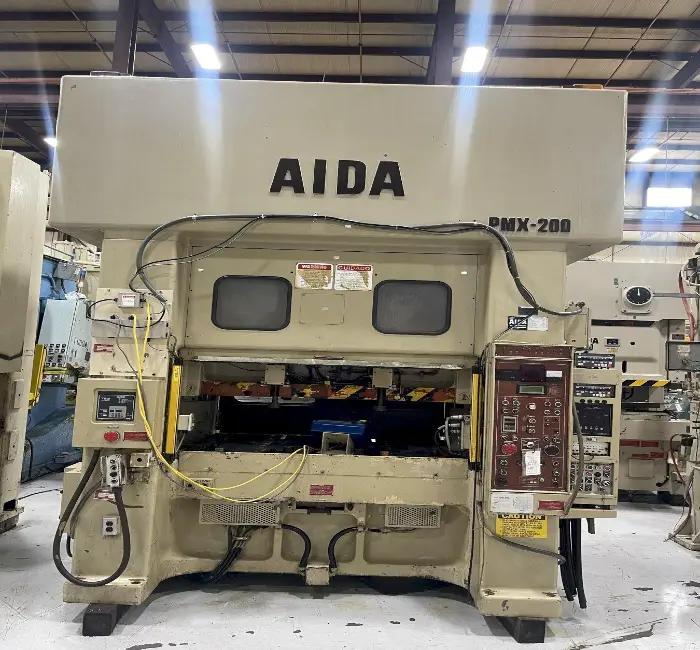
Metal stamping costs follow predictable patterns — once you know where to look. The biggest savings almost never come from negotiating a few percentage points off the quoted price. They come from understanding the cost drivers, designing parts that play to stamping’s strengths, and choosing the right tooling strategy for your production volume.
The next time you receive a stamping quote, don’t just look at the bottom line. Ask about the breakdown. Understand where the money is going. That’s how you turn a quote into a cost optimization opportunity.

Powder metallurgy
knowledge, Technical knowledge

A Complete Guide to Powder Metallurgy: Full Process from Powder Production to Sintering

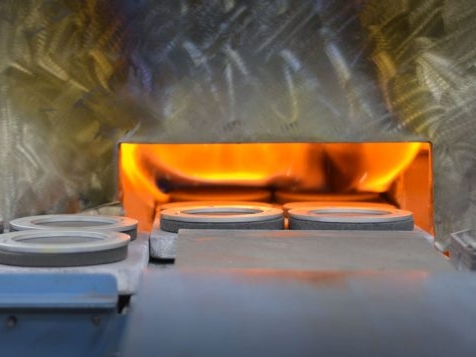
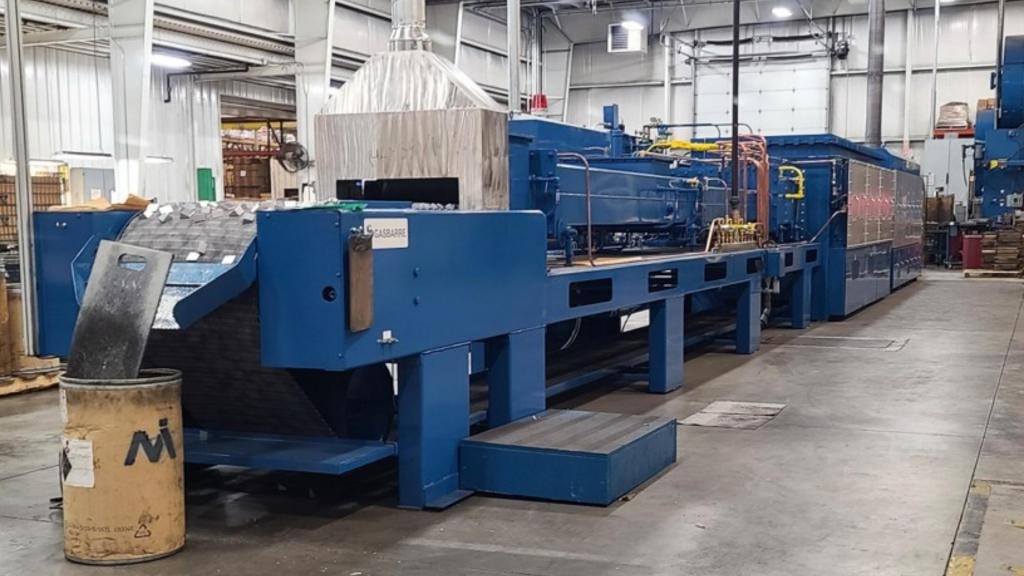
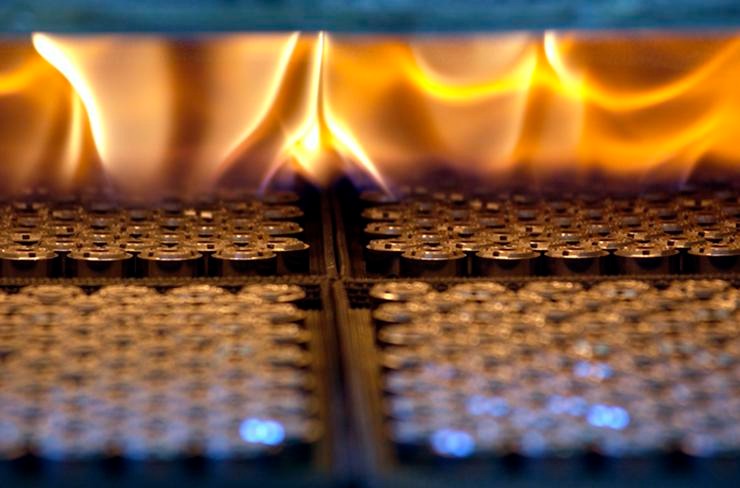
The complete powder metallurgy process follows a rigorous logic of powder preparation → formula mixing → precision forming → high-temperature sintering → performance optimization. Every process step is precisely controlled to balance product accuracy, mechanical performance, and production cost. As the core near-net-shape manufacturing technology, powder metallurgy will further replace traditional machining in high-volume precision component manufacturing, bringing more efficient and cost-effective production solutions to the modern manufacturing industry.

Powder metallurgy
knowledge, Technical knowledge

Powder Metallurgy vs CNC Machining — Mass Production Cost Advantage Breakdown

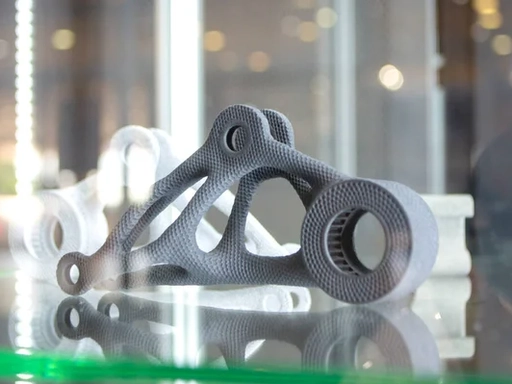
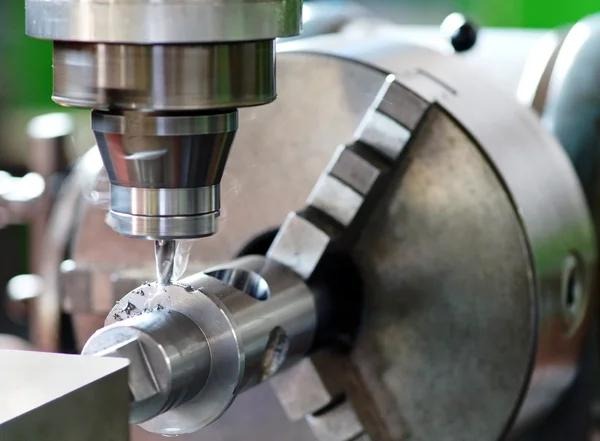
Powder metallurgy’s near-net-shape design delivers overwhelming mass-production cost advantages over traditional CNC machining, rooted in superior material utilization, ultra-fast automated forming cycles and drastically reduced secondary finishing steps. The two cited peer-reviewed manufacturing economics papers provide quantifiable cost modelling data to validate real-world factory savings for EV, power tool, home appliance and industrial transmission component production.

knowledge, Technical knowledge

What Is Metal Stamping? Complete Guide for Manufacturing Buyers

Metal stamping remains the most cost-effective mass production solution for sheet metal components across automotive, electronics, medical, and hardware industries. As a manufacturing buyer, understanding its processes, material limits, cost structure, and quality risks allows you to optimize part designs, negotiate better sourcing terms, and avoid common supply chain mistakes.
If you have custom sheet metal parts requiring high-volume production, metal stamping will almost always outperform alternative machining processes in long-term total cost and delivery efficiency. Always share complete technical drawings and batch demand forecasts with qualified precision stamping manufacturers to get accurate, transparent quotations.

Powder metallurgy raw materials
Technical knowledge, knowledge

What Is Powder Metallurgy? A Full Guide for Industrial Component Buyers

Against rising raw material and machining costs, industrial buyers seek low-waste, high-consistency forming technologies for small complex metal parts. Powder Metallurgy (PM) is a solid-state near-net-shape manufacturing method that produces metal components from alloy powders via compaction and sintering. Supported exclusively by peer-reviewed open-access academic journal papers, this guide systematically explains PM core principles, standardized production workflows, technical advantages, mainstream industrial applications, and process selection criteria. Compared with subtractive CNC machining, PM achieves over 95% material utilization, flexible complex geometry forming, and customizable composite material performance, delivering obvious cost advantages for high-volume mass production. This article helps procurement and design engineers judge whether powder metallurgy can replace traditional machining, casting or forging for their component projects

滚动至顶部