
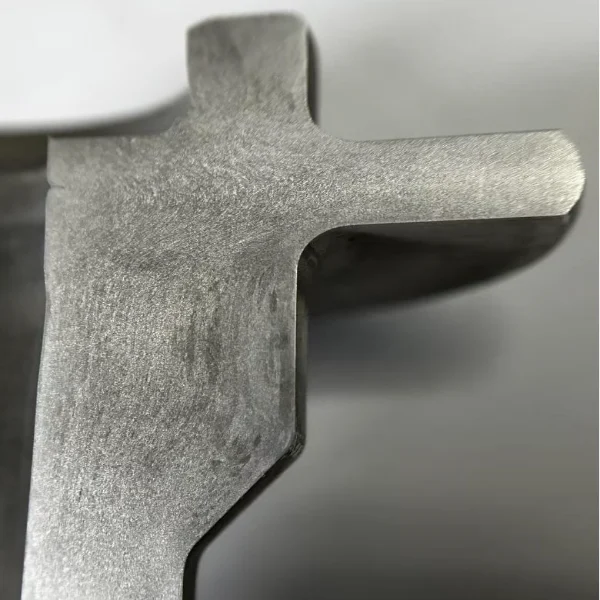
Cold heading cost is one of the main reasons cold heading remains the default route for high-volume fasteners, pins, and small shafts. The process forms metal at room temperature by forcing a cut wire blank into a die, producing a near-net-shape part in a fraction of a second with almost no material removed. This guide explains where the savings actually come from and what a buyer should check before switching a machined component to heading.
The headline figure of up to seventy percent is plausible only under the right conditions: sufficient volume, a geometry suited to forming, and a design that avoids unnecessary secondary work. Understanding the cold heading cost structure helps a purchasing team judge a quotation on its merits instead of assuming every headed part is automatically cheaper than a turned one.

What Cold Heading Is and Where cold heading cost Savings Come From
Cold heading, also called cold forming, upsets a length of wire or rod between a punch and a die at ambient temperature. Because the metal is worked below its recrystallisation point, it strain-hardens and often gains strength, so a subsequent heat treatment may be reduced or eliminated. The part leaves the machine with its head, shank, and most features already formed.
Three effects drive the cold heading cost advantage. First, near-net-shape forming removes almost no material, so the wire purchased ends up in the finished part rather than as chips. Second, cycle rates are extremely high, with modern headers producing hundreds of pieces per minute. Third, work hardening can replace a separate strengthening step. Together they reduce material, machine time, and the number of process steps.
Those savings are not automatic. A complex geometry, a difficult alloy, or a small annual quantity can erase them quickly. The right question for a buyer is not whether heading is cheap in general, but whether the cold heading cost for this specific drawing beats the machined alternative at the forecast volume and quality level.
How the Process Works, Step by Step
Wire is drawn to the required diameter, straightened, and fed into the header. A cut-off die shears a precise blank length, and transfer fingers move it through one or more stations. Each station upsets, extrudes, or trims a portion of the shape, so a multi-station machine can complete a surprisingly complex fastener in a single continuous cycle.
Thread rolling usually follows as a separate operation, pressing a thread into the shank rather than cutting it. Rolling work-hardens the surface and leaves continuous grain flow, which improves fatigue resistance compared with a cut thread. Heat treatment, plating, and coating are added afterwards when the specification requires them.
Tooling consists of the cut-off die, punches, and dies for each station. Setup involves aligning transfer timing, blank length, and upset force. Once stable, a header runs with very little operator attention, which is another reason the cold heading cost per part falls as the batch grows and the setup time is spread across more units.
| Stage | What happens | Effect on unit cost |
|---|---|---|
| Wire feeding | Drawn wire is straightened and fed | Low material waste |
| Cut-off | Blank sheared to a precise length | Determines yield |
| Upsetting | Punch forms the head | Replaces turning |
| Trimming | Excess flash removed | Adds one station |
| Thread rolling | Thread pressed into the shank | Faster than cutting |
| Finishing | Heat treatment and coating | Separate cost line |
Material Yield and the cold heading cost Equation
Material is often the largest single cost in a machined fastener, and turning a hex head from bar can waste more than half the stock. Heading starts with a blank whose volume is close to the finished part, so yield is commonly above ninety percent. On a long production run that difference alone can outweigh the tooling investment many times over.
Grain flow is a second, less obvious benefit. Machining cuts through the fibre structure of the steel, while forming redirects it around the head and shank. A headed bolt generally has better fatigue and impact behaviour at the head-to-shank transition, which can allow a smaller or lower-grade part to meet the same mechanical requirement.
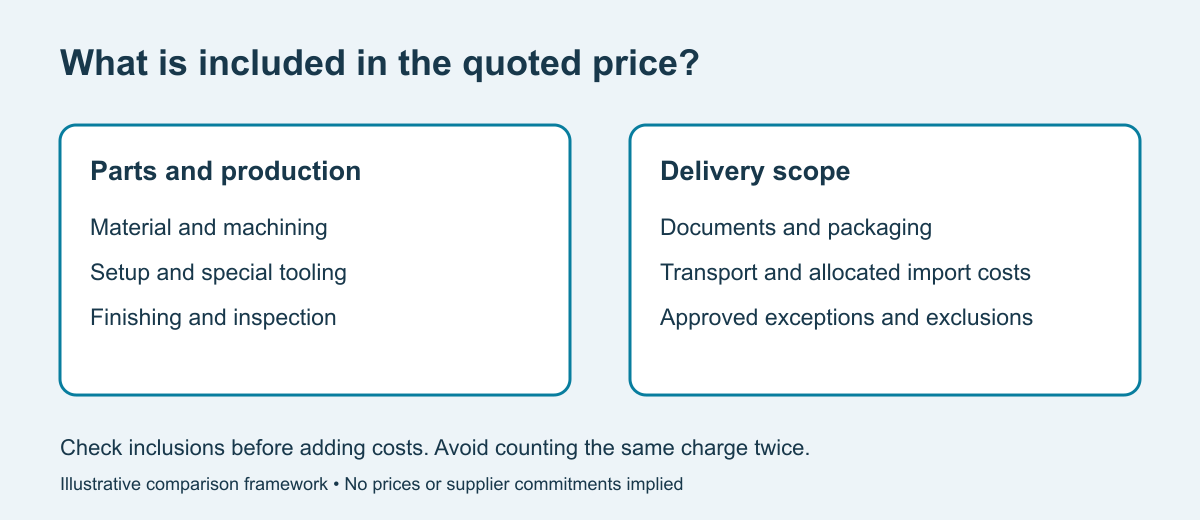
To evaluate the cold heading cost properly, compare the delivered part price rather than the raw material price. Include scrap value, energy for heat treatment, and any secondary machining that remains. A supplier who quotes only the heading operation without the finishing steps will make the comparison look better than it really is.
Tooling and Setup Economics
A set of heading dies is a fixed cost, and setup time is charged once per run. For a few thousand parts, that fixed cost dominates; for hundreds of thousands, it becomes negligible. This is the crossover point a buyer should identify explicitly, because it determines whether a prototype should be machined and the production part headed.
Die life depends on material, lubrication, and the severity of the upset. Abrasive or high-strength alloys wear tooling faster, and a complex multi-station setup costs more to maintain. Ask how many pieces a die set is expected to produce and who bears replacement cost, since a worn tool changes dimensions before it fails outright.
Changeover time also matters for buyers who order many variants. A header running one part number for a full shift is far more efficient than one switched between ten similar parts. Consolidating variants or agreeing longer production runs is often the simplest way to lower the quoted figure without changing the design.
Materials and Part Geometries
Low-carbon and boron steels are the most common heading materials because they deform readily at room temperature. Medium-carbon and alloy steels are used for higher-strength fasteners, often with controlled heat treatment. Stainless grades work but work-harden quickly and need more force, while aluminum, copper, and brass head well for electrical and lightweight applications.
Geometry matters as much as alloy. Symmetric heads, concentric shanks, and moderate upset ratios suit the process. Very large head-to-shank diameter ratios, deep recesses, or extreme length-to-diameter ratios may need extra stations or intermediate annealing, which adds cost. A short feasibility review with the toolmaker prevents an unworkable design reaching the die.
The process is best known for bolts, screws, rivets, nuts, and pins, but it also produces studs, ball studs, spark plug shells, and small shafts. Any part that can be formed from a cut wire blank is a candidate. Understanding the cold heading cost trade-offs helps decide which of those parts should be converted from machining first.
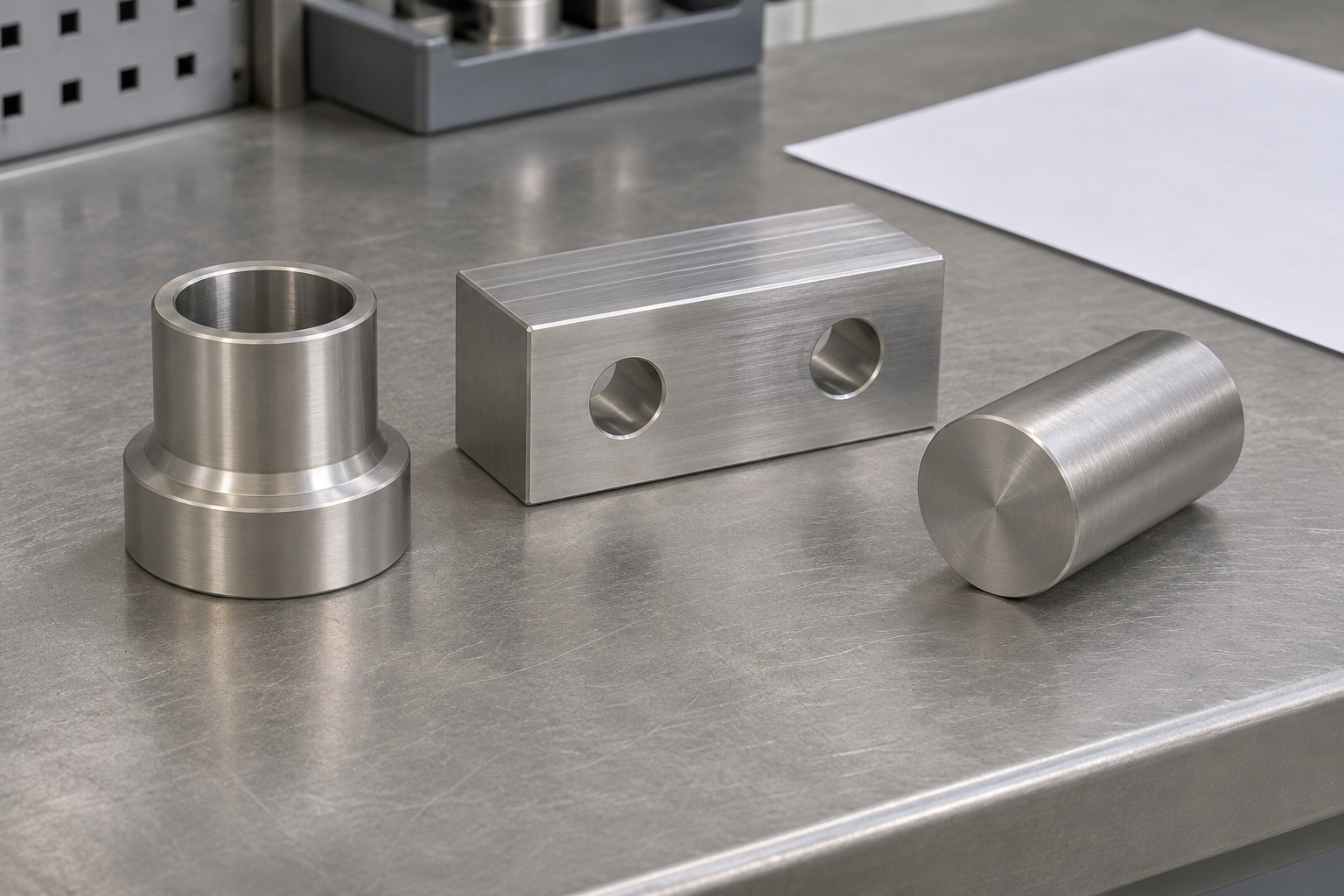
Design Rules That Shape cold heading cost
Keep the head concentric with the shank, use generous fillets at the under-head transition, and avoid sharp internal corners. Uniform cross-sections fill the die more predictably and reduce tool stress. Features that require side holes, cross-drilling, or undercuts cannot be formed directly and must be added later as secondary operations.
Specify tolerances by function. Heading holds shank diameter and head height consistently, but very tight values on every dimension drive up inspection effort and die cost. Thread class, straightness, and the under-head bearing face are the characteristics that usually deserve explicit control; cosmetic surfaces rarely do.
State the required standard and property class at the enquiry stage. A fastener drawing that names a standard conveys far more than a set of loose dimensions, and it lets the supplier quote the correct material and heat treatment. Our metal stamping cost breakdown guide shows the same logic applied to a different high-volume forming route.
Secondary Operations and Finishing
Few headed parts leave the machine completely finished. Thread rolling, drilling, slotting, trimming, knurling, and bending are common additions. Each one adds a handling step and should be justified by function. A design that eliminates even one secondary operation can reduce total spend more than a small change in the forming price.
Heat treatment, plating, phosphating, and passivation follow when strength or corrosion resistance requires them. Coating thickness affects thread fit, so the order of operations and any masking must be defined. Hydrogen embrittlement relief for high-strength plated fasteners is a real process requirement, not an optional extra that can be dropped to save money.
Cleaning, sorting, and packaging also belong in the delivered price. Fine particles from thread rolling and residual lubricant affect assembly, and mixed lots cause line stoppages. Including these items in the specification avoids a situation where the cold heading cost looks attractively low but the landed part is not.
Quality Control and Inspection
Critical checks include blank length, head diameter and height, shank diameter, thread fit, straightness, and hardness. First-article inspection confirms the setup, and in-process sampling catches die wear before a full batch drifts out of tolerance. Because a header produces parts so quickly, a fault can generate a large quantity of scrap before anyone notices it.
Ask for measured values rather than a simple pass mark, and agree the inspection method for each characteristic. A thread gauge check is not the same as a full thread analysis, and a hardness reading does not establish grain flow. For safety-critical fasteners, lot traceability and documented heat treatment records are part of the delivered value.
Define the drawing revision and property class on every report. When a part is reordered a year later, that record makes it possible to reproduce the same setup. A supplier who can retrieve the original die settings and inspection data usually delivers a more consistent second batch.

Cold heading cost vs Machining, Casting and Stamping
Against CNC machining, heading wins overwhelmingly on material yield and cycle time at volume, but loses on flexibility and on features that must be cut. Machining remains the right choice for prototypes, low quantities, and parts with cross-holes or asymmetric geometry. Many buyers run a hybrid route: a headed blank plus machining on a critical interface.
Against casting or forging, headed parts are smaller, stronger at the head transition, and have better as-formed surface finish, but they are limited by wire diameter and upset ratio. Against stamping, heading produces solid three-dimensional parts rather than sheet forms. Each route has a volume and geometry window where it is clearly cheapest.
A fair comparison prices the delivered, finished part at the forecast annual volume, including tooling amortisation and scrap. Judged that way, the cold heading cost advantage is usually decisive for standard fasteners and much smaller for specialised, low-volume components. Comparing only the per-piece forming price is the most common analytical mistake.
| Route | Best for | Main limitation |
|---|---|---|
| Cold heading | Symmetric solid parts at volume | Tooling cost and upset limits |
| CNC machining | Prototypes and tight features | Material waste and cycle time |
| Die casting | Complex three-dimensional shapes | Porosity and heavier sections |
| Metal stamping | Thin sheet components | Limited to sheet forms |
Typical Applications
Automotive, construction, appliance, and machinery assembly consume vast quantities of headed fasteners, and the economics are strongest there. Structural bolts, engine studs, wheel bolts, and self-tapping screws all suit the process. Electrical contacts, rivets, and specialised pins extend the range into electronics and light assembly work.
The same logic applies to non-fastener parts such as ball studs, valve components, and small shafts. Wherever a symmetric, solid part is needed in high volume, the cold heading cost case is worth evaluating before a machining route is chosen by habit rather than by calculation.
Frequently Asked Questions
Why is cold heading cost lower than machining? Forming wastes almost no material, runs at very high cycle rates, and work-hardens the metal, removing several cost drivers at once.
What volume makes heading worthwhile? It depends on tooling complexity, but the crossover with machining usually sits in the tens of thousands for standard fasteners.
Can cold heading make threads? Threads are normally rolled after heading, not formed in the die. Rolling is faster and produces a stronger surface than cutting.
Which materials can be headed? Low-carbon and alloy steels are most common; stainless, aluminum, copper, and brass are also used with adjusted tooling and lubrication.
Does the cold heading cost include tooling? Tooling is a one-time charge that should be quoted separately so the unit price at production volume is clear.
What should a buyer send for a quote? The drawing, standard or property class, annual volume, finish, and the inspection evidence required for the order.
A Practical Buyer Checklist
Cold heading cost should be compared at the forecast annual volume, not on a sample quantity. Ask the supplier to quote both a trial lot and a production run so the tooling effect is visible.
Material yield drives the cold heading cost. Request the expected wire diameter and blank length, and check whether the quoted price assumes any scrap recovery or credit.
Tooling life shapes the cold heading cost. Ask how many parts a die set produces and who pays for replacement before dimensional drift reaches the tolerance limit.
Secondary operations add to the cold heading cost. List thread rolling, heat treatment, and plating explicitly rather than assuming they are included in the base price.
Standards matter for the cold heading cost. Name the property class and thread standard so every supplier quotes the same material, heat treatment, and test scope.
Inspection protects the cold heading cost. Ask for measured values on head height, shank diameter, and hardness, not a pass mark alone.
Packaging affects the cold heading cost. Specify how lots are separated and labelled, since mixed parts cause more line stoppages than small dimensional scatter.
Change control stabilises the cold heading cost. A different wire lot or plating subcontractor can alter properties, so agree written notice before either changes.
Volume Planning and Contract Structure
The cold heading cost quoted for a single order rarely reflects a long-term agreement. Ask how the unit price changes with annual volume, call-off frequency, and a rolling forecast. A supplier running a dedicated header for a stable programme can offer a materially different figure from one fitting the part into spare capacity between other jobs.
Consider scheduling as part of the cold heading cost discussion. Longer production runs reduce changeover cost, but they tie up cash in inventory. Agree a call-off plan that balances the lower unit price against storage, obsolescence risk, and the lead time your assembly line can actually tolerate.
Include tooling ownership in the contract for the cold heading cost. State who pays for the dies, who stores them, what happens if the programme ends, and how replacement is authorised. These points are rarely disputed at the start but often become the subject of a difficult conversation after a design change.
Finally, review the cold heading cost periodically rather than treating the first quotation as permanent. Wire prices, coating costs, and energy rates move over time, and a stable high-volume part is exactly where a structured cost review produces measurable savings for both sides.
Keep a short record of every quotation revision, including the date, the assumed wire price, and the volume band it applies to. When a buyer later asks why a repeat order differs from the original figure, that history turns a commercial argument into a straightforward check of which assumption changed.
It is also worth confirming how nonconforming parts are handled. Agree in advance whether borderline lots are reworked, sorted, or scrapped, who pays for the additional inspection, and what evidence accompanies a concession. A clear rule protects the production schedule as much as the unit price.
Technical Resources
For background on cold heading cost, see the Wikipedia overview of cold heading, the ASME Y14.5 dimensioning and tolerancing standard, and independent guidance on preparing technical drawings for machining. Clear requirements reduce interpretation disputes and give the tooling team a stable reference for every production run.