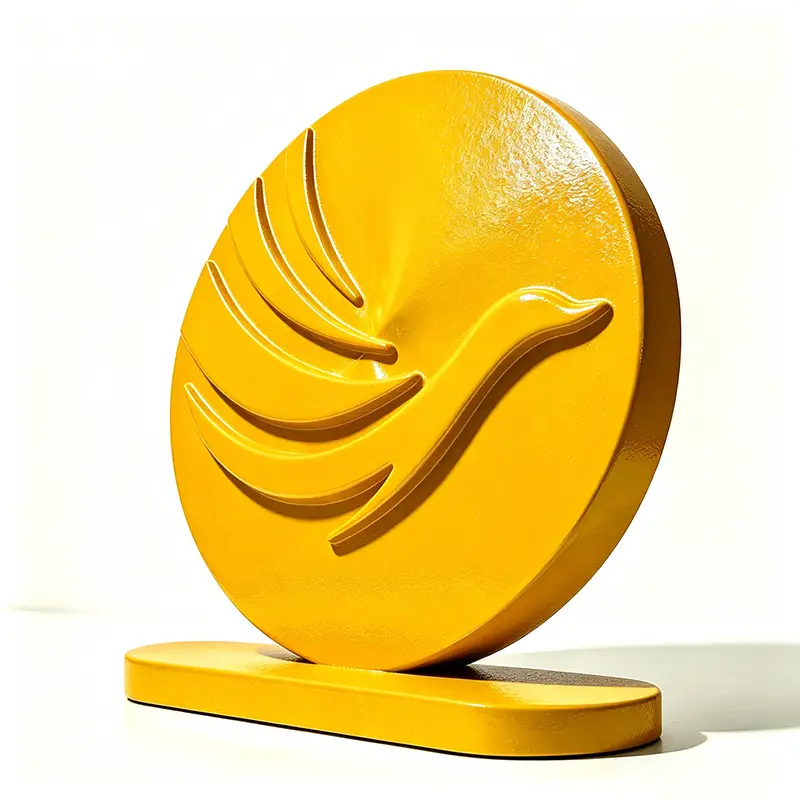
Definition
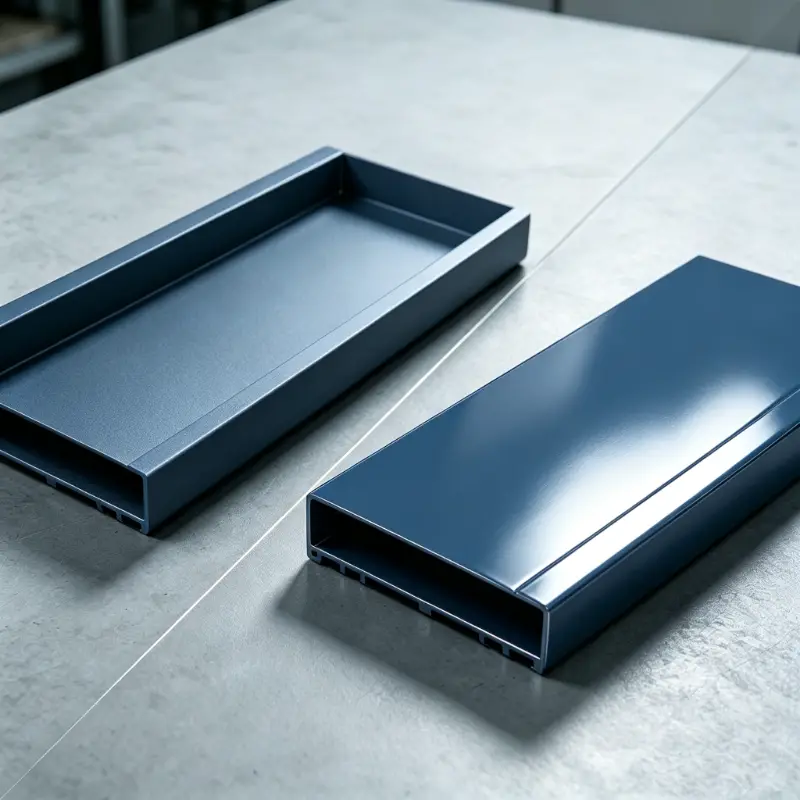
Painting, or liquid spray painting, is a traditional surface finishing technology that coats liquid pigmented paint evenly onto workpiece surfaces. After air-drying or baking curing, a continuous protective and decorative film is formed. It can be applied to metals, composite materials, plastics and wood substrates.
Main Types of Paint Systems
1 Air-dry Paint
No high-temperature baking required; cures naturally under room temperature. Suitable for large, heat-sensitive parts or on-site refurbishment.
2 Baking Paint
Needs heating in an oven at 60–140°C to complete cross-linking. Features stronger adhesion, harder film, superior wear and chemical resistance. Widely used for mass-produced metal and plastic products.
3 Primer + Topcoat Two-coat System
- Primer: Covers surface flaws, improves bonding force between substrate and topcoat, provides basic anti-corrosion performance.
- Topcoat: Offers rich colors, gloss and weather resistance as the visible decorative layer.
4 Clear Varnish
Transparent protective coating without pigment, used to retain original texture of polished metal or printed patterns while resisting scratches and oxidation.
Standard Process Flow
Pre-treatment (degreasing / sandblasting / general grinding) → Surface cleaning → Primer spraying → Flash-off → Topcoat spraying → Curing / Air drying → Finished painted parts
Core Advantages
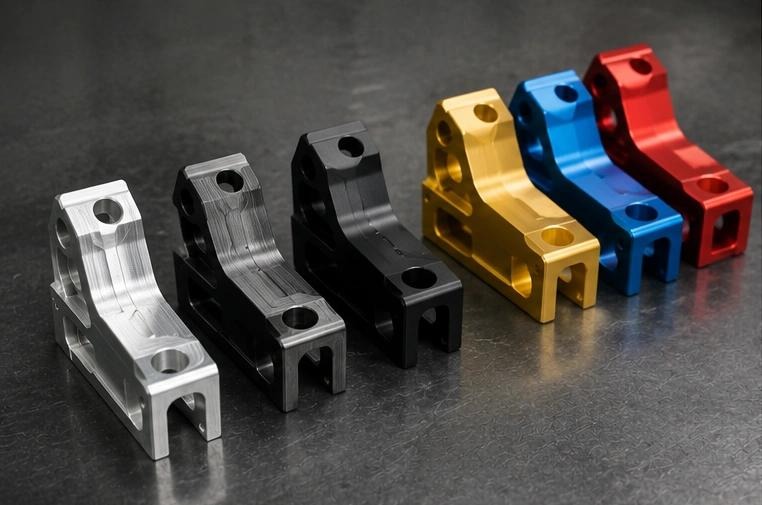
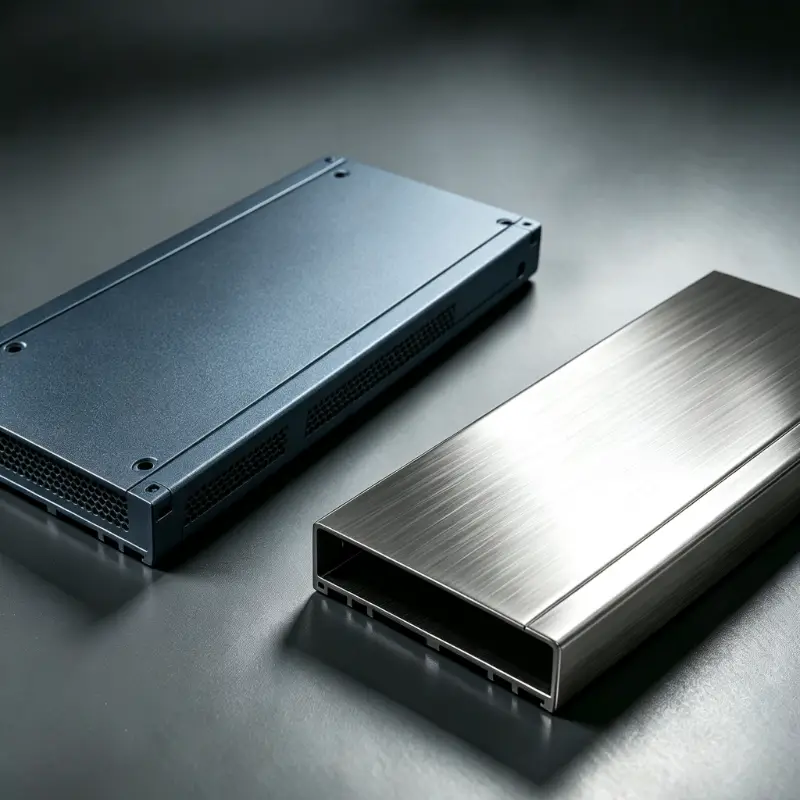
- Extremely rich color choices, customizable gloss levels: high-gloss, semi-gloss, matte, frosted and metallic textures.
- Thin and uniform coating layer, lightweight without obvious dimensional change to precision components.
- Excellent covering power to hide substrate defects such as machining marks and small pits.
- Applicable to diverse materials including heat-labile plastics which cannot bear powder coating’s high curing temperature.
Disadvantages
- Contains volatile organic solvents (VOCs), requiring professional exhaust and environmental protection equipment.
- Lower material utilization rate compared with powder coating; over-sprayed liquid paint cannot be fully recycled.
- Thinner film thickness leads to weaker scratch and anti-corrosion performance than powder coating.
- Outdoor paint will fade and chalk under long-term UV exposure without high-grade weather-resistant paint.
Applicable Materials
Aluminum alloy, steel, stainless steel, zinc die castings, ABS, PC, carbon fiber composites, wood products.