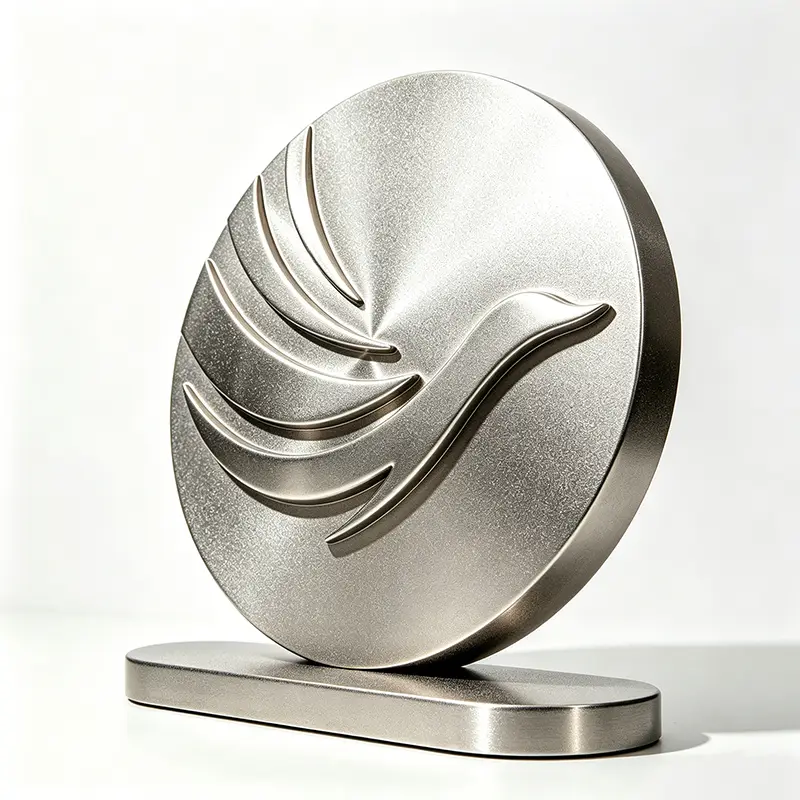
Definition
Sandblasting (also known as abrasive blasting) is a mechanical surface finishing process. It uses compressed air to propel fine abrasive media at high velocity onto workpiece surfaces. The impact of abrasives physically modifies the surface texture of metals, composites and engineering plastics, serving as a universal pre-treatment and decorative finishing solution.
Working Principle
Powered by compressed air, abrasive particles such as aluminum oxide, glass beads and stainless steel shots are blasted onto parts. The collision and micro-cutting action strips surface contaminants and creates controllable uniform roughness on substrates.
Common Abrasive Media
- Aluminum Oxide High hardness with strong cutting force. Ideal for heavy rust removal, oxide layer stripping and aggressive surface texturing on steel, aluminum and stainless steel.
- Glass Beads Gentle impact without deep material removal, delivering a delicate satin matte finish. Widely used for decorative blasting and minor scratch elimination.
- Stainless Steel Shots Metallic media with low dust generation. Applied for shot peening to release internal stress and improve fatigue resistance of metal components.
- Silica Sand Low-cost abrasive, yet restricted in most European and American factories due to hazardous free silica dust regulations.
Core Functions
- Surface Cleaning Eliminate rust, scale, welding slag, oil residues and mold release agents. It is a mandatory pre-process before anodizing, spray painting, powder coating and electroplating to maximize coating adhesion.
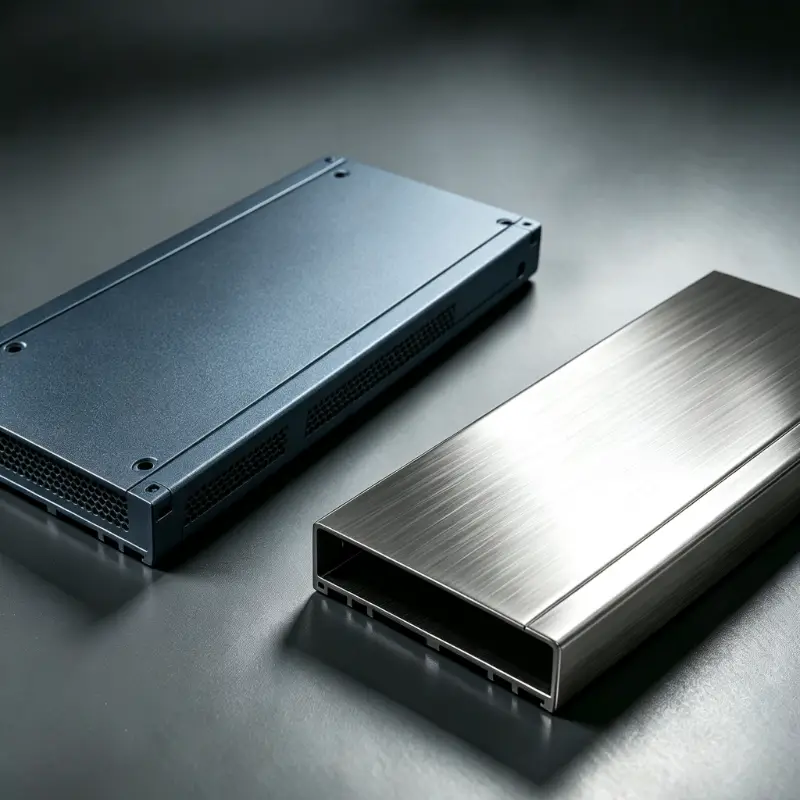
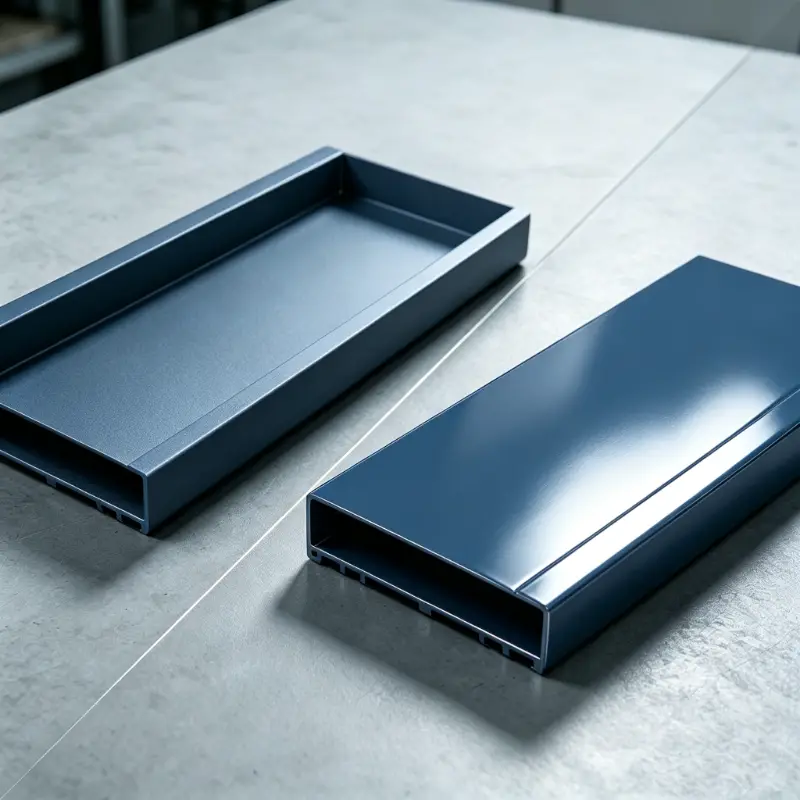
- Decorative Matte Finish Eliminate machining tool marks and tiny scratches, producing consistent non-reflective satin texture for premium aesthetic appearance.
- Controlled Surface Roughening Generate micro-rough profiles to form mechanical interlocks for adhesives and surface coatings, preventing peeling and delamination.
- Stress Relief & Strengthening Fine steel shot blasting relieves internal machining stress and enhances components’ fatigue and corrosion resistance.
- Deburring Remove micro burrs and sharp edges without compromising critical dimensional tolerances.
Applicable Materials
- Metals: Aluminum, stainless steel, copper, iron, titanium alloy, die-cast alloys
- Composites: Carbon fiber panels, fiberglass boards
- Hard engineering plastics: PC, ABS, POM and other rigid plastic parts
Advantages & Limitations
Advantages
- Extremely versatile, compatible with nearly all rigid workpieces;
- Adjustable surface roughness via different abrasive grain sizes;
- High batch processing efficiency, even on complex curved and hollow geometries;
- Chemical-free mechanical treatment with no risk of substrate corrosion.
Limitations
- Thin-walled delicate parts may deform under blasting impact; soft plastics will sustain surface scratches;
- It only alters physical surface properties and provides no anti-corrosion protection. Secondary finishing like anodizing or painting is required after blasting;
- Slight dimensional loss occurs, which may affect ultra-precision parts with tight tolerances.
Typical Production Workflows (Industrial Standard)
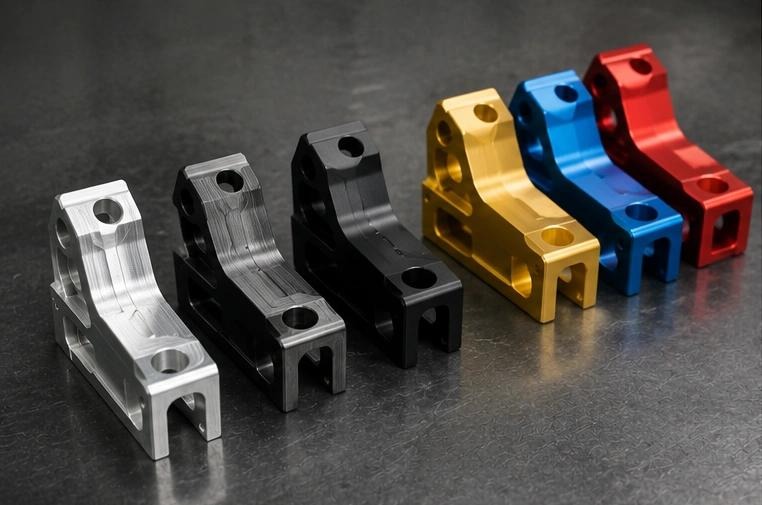
- CNC Machining → Sandblasting → Anodizing
- Die Casting → Sandblasting → Powder Coating
- Plastic Molding → Fine Sandblasting → Spray Painting