
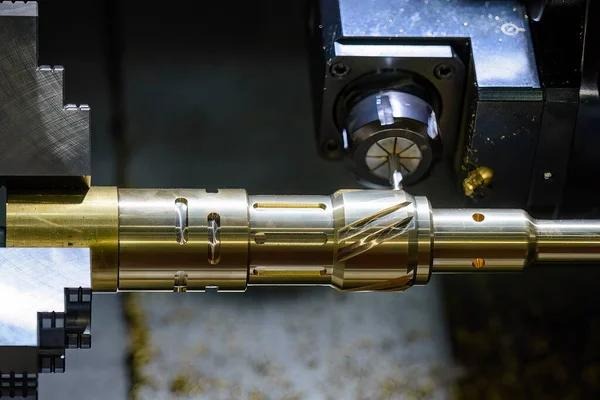
Not every project needs thousands of identical parts. For product validation, functional prototypes, custom mechanical components, and niche production, small batch CNC machining is often the most cost-effective and flexible route. It fills the gap between a one-off prototype and high-volume manufacturing, helping teams reach market faster while holding precision.
This guide explains small batch CNC machining in practical terms: its benefits, typical applications, material choices, how it compares with other processes, and how to keep cost under control on a low-volume order.

What Is Small Batch CNC Machining?
Small batch CNC machining, also called low-volume CNC machining, is a computer-controlled subtractive process that produces precision parts in limited quantities. In practice it covers runs from roughly 10 to 500 units, sitting between prototype work and mass production.
Unlike mass production, which depends on dedicated molds, fixed tooling, and standardized lines, small batch CNC machining cuts parts directly from solid blanks by milling, turning, drilling, and grinding. There is no mold investment, design changes are easy to absorb, and every part in the batch can hold consistent precision.
Core Benefits of Small Batch CNC Machining
1. No mold cost and low upfront investment
Mass production carries high upfront costs for tooling and line setup, which is uneconomical for small quantities. Small batch CNC machining needs only programming and standard fixturing, removing mold expense and reducing the risk of a new product launch.
2. Fast design iteration
Product development involves constant refinement. Small batch CNC machining lets engineers change geometry, dimensions, or tolerances between batches without large cost penalties or long delays. That speed helps teams perfect function and appearance in fewer cycles.
3. Industrial-grade precision
Compared with printed parts, small batch CNC machining delivers tighter tolerances and better surfaces. Each part maintains dimensional and mechanical consistency, which is essential for functional testing, assembly verification, and small-scale delivery.
4. Fast lead time and flexible quantities
With simple setup and no mold cycle, small batch CNC machining commonly finishes within days rather than weeks. Quantities from dozens to hundreds avoid the inventory pressure of overproduction and match the pace of market trials.
5. Wide material compatibility
CNC machining handles most industrial metals and plastics, including aluminum, stainless steel, copper, titanium, POM, ABS, and PC. It meets different needs for strength, hardness, corrosion resistance, and weight.
Typical Applications of Small Batch CNC Machining
Small batch CNC machining appears across industries where precision matters and volumes are modest:
- Aerospace and UAV: structural brackets, connectors, and lightweight functional parts for testing and small assemblies.
- Medical devices: instrument housings, tool components, and custom accessories with tight tolerance needs.
- Automotive prototyping: trial parts, structural components, and sensor brackets for performance verification.
- Robotics and automation: joint parts, fixtures, and non-standard mechanical accessories.
- Consumer electronics: custom housings, heat sinks, and structural parts for trial sales.
- Research and education: lab parts, test fixtures, and prototype batches.
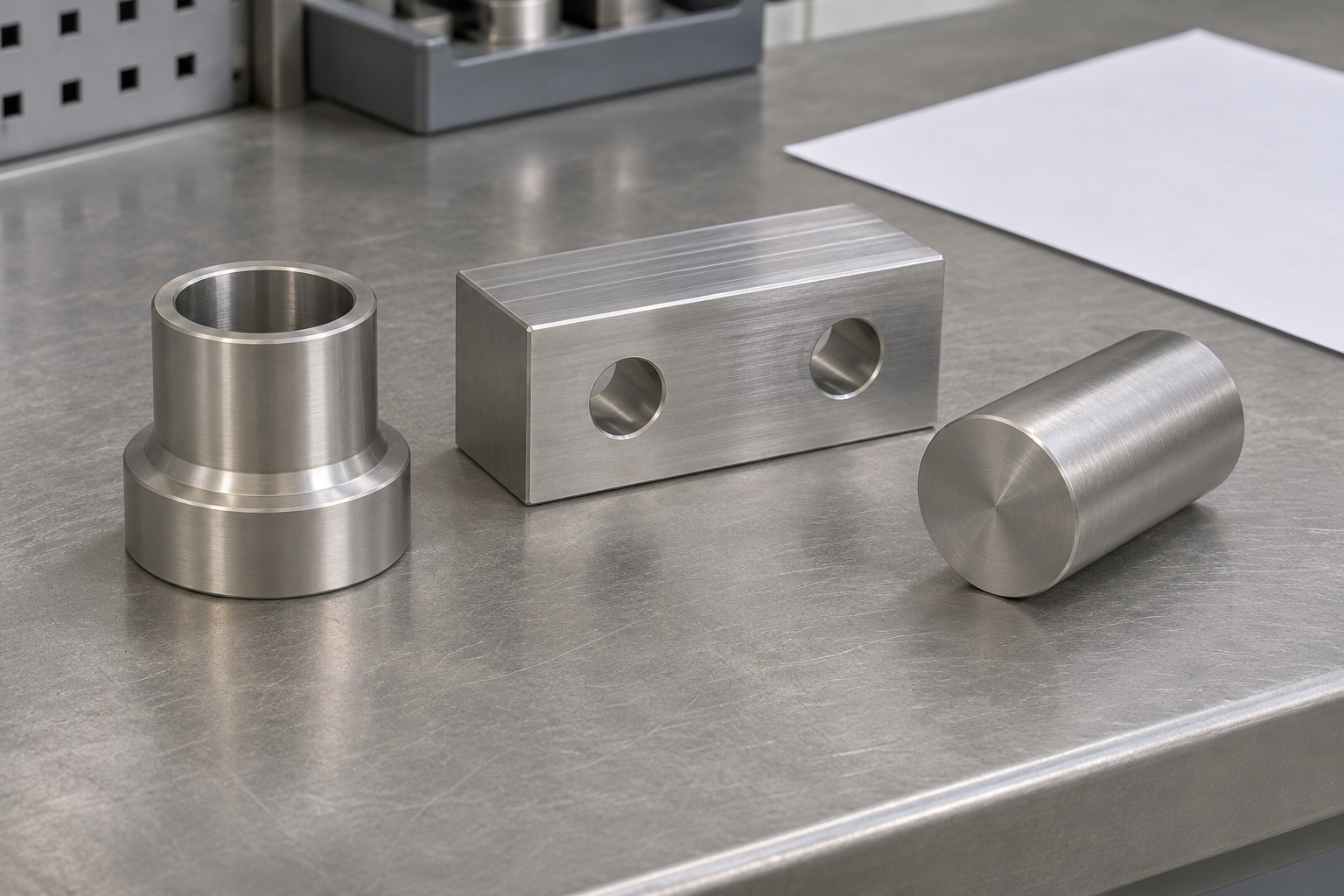
Small Batch CNC Machining vs Mass Production vs 3D Printing
Choosing a process depends on quantity, tolerance, and design stability. The following comparison clarifies where small batch CNC machining fits.
| Factor | Small batch CNC | Mass production | 3D printing |
|---|---|---|---|
| Tooling cost | None or minimal | High mold cost | None |
| Best quantity | 10 to 500 parts | Thousands and above | One to tens |
| Tolerance | Tight, repeatable | Tight once tooled | Limited |
| Design changes | Easy between batches | Expensive | Easy |
| Surface finish | Good | Good | Layer lines common |
| Material range | Metals and plastics | Mostly molded materials | Limited polymers and metals |
Mass production wins on unit cost only at high volumes and with stable designs. Printing suits very complex prototypes but has weaker surface and mechanical consistency. Small batch CNC machining offers a middle path with production-grade parts and no tooling commitment.

How to Optimize a Small Batch CNC Machining Project
Design for machinability
Simplify deep pockets and thin walls, standardize hole sizes and radii, and avoid features that force extra setups. Good design reduces tool wear and cycle time in small batch CNC machining.
Choose cost-effective materials
For non-critical parts, a less expensive grade can meet the requirement. For example, 6061 aluminum often replaces 7075 in general structures, improving machinability and reducing both material and cutting cost.
Grade tolerances by function
Do not apply the tightest tolerance across an entire part. Reserve precision for features that control fit and use conventional tolerances elsewhere. Our tolerances, fit, and function guide explains the approach.
Work with a capable supplier
Small batch CNC machining depends on flexible scheduling and strong process control. A good partner reviews the drawing, suggests improvements, and handles programming, materials, finishing, and inspection under one roof.
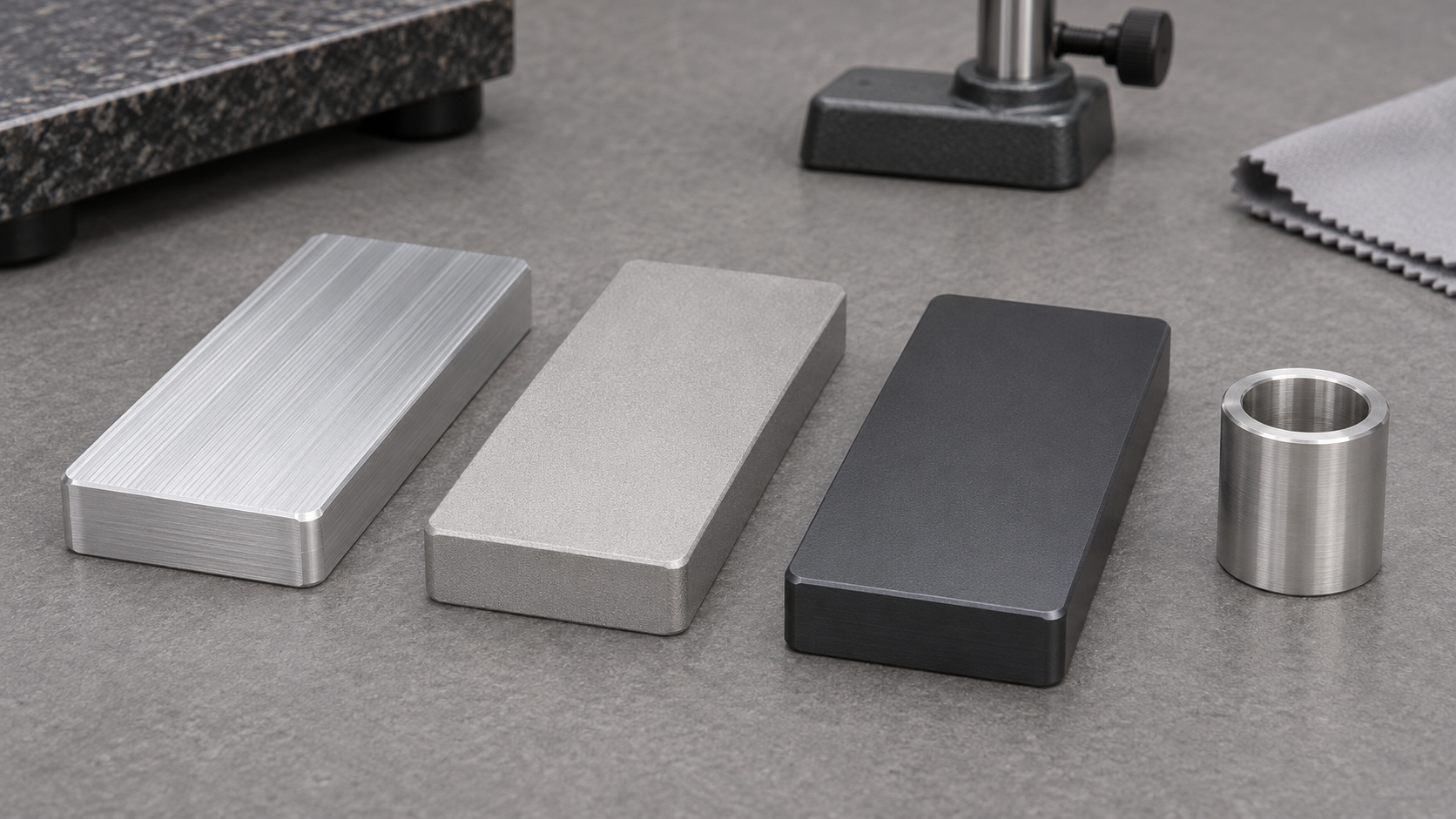
Quality and Inspection in Small Batch CNC Machining
Even a short run should have a defined inspection plan. Identify the characteristics that control fit and function, agree how they will be measured, and request a first-article report before the rest of the batch proceeds. For guidance on communicating surface requirements, an independent technical drawing guide explains why the model and drawing must agree.
Keeping the drawing, material certificate, process notes, and inspection results together makes a repeat order straightforward. When a later batch differs, the record shows whether the cause was material, setup, or measurement.
Small Batch CNC Machining: Frequently Asked Questions
What quantity counts as a small batch? Typically 10 to 500 parts, though the exact range depends on geometry and material.
Is small batch CNC machining cheaper than molding? Yes, when volumes are low, because no mold is needed. Molding becomes cheaper only at high quantities.
Can the process match production quality? Yes. Small batch CNC machining uses the same machines and inspection methods as larger runs, so the parts are suitable for functional use.
Choosing Materials for a Low-Volume Run
Material selection affects machining time, tool life, cost, and the performance of the finished part. Aluminum is popular because it cuts quickly and resists corrosion, with 6061 serving general structures and 7075 offering higher strength. Stainless steel is chosen for corrosion resistance and strength but is slower to machine and harder on tools.
Copper and brass machine well and serve electrical and decorative roles. Titanium offers an excellent strength-to-weight ratio but requires careful speed and tooling control. Engineering plastics such as POM, ABS, and PC are used where weight, insulation, or chemical resistance matters.
For a prototype batch, the easiest machining material that meets the function is usually the best value. A difficult alloy may be necessary for the final product, but using it in early iterations adds cost without proving more. Confirm the material grade and condition at the request stage so every supplier prices the same thing.
Planning the Production Route
A part may need milling, turning, drilling, grinding, and several setups to finish all its features. The route should be planned around a datum scheme so features relate to one another correctly. A supplier who reviews the drawing before quoting can flag features that require special fixturing or additional operations.
Setup count is a major cost driver. A part that can be completed in one or two setups is cheaper than one needing repeated re-clamping. Designing features around a common datum, and avoiding inaccessible pockets, reduces both time and the chance of error.
Secondary operations such as heat treatment, surface finishing, and marking should be listed explicitly. Each adds lead time and cost, and each can change dimensions. Decide whether critical sizes apply before or after finishing so inspection happens on the delivered condition.
Understanding Cost Drivers in Low-Volume Production
In a short run, programming and setup are spread over few parts, so they represent a large share of the unit price. This is why the first few pieces cost more than the same parts in a large order. Simplifying the setup is the most direct way to reduce cost.
Material waste also matters. Starting from a blank close to the finished size reduces both material cost and machining time. Where volumes allow, a supplier may suggest a more efficient stock shape, but this should be weighed against any additional setup.
Inspection and documentation add cost but protect quality. A first-article report and material certificate are worthwhile when the part controls fit or safety. For simple non-critical pieces, a lighter inspection scope is reasonable. Agreeing this up front prevents paying for evidence nobody needs.
From Prototype to Production
One advantage of machining is that the same process can serve the whole lifecycle. A part validated in a small run can often move to larger volumes without changing the basic route, unlike a molded part that requires new tooling. This continuity preserves the engineering decisions already made.
Keep the drawing revision, material grade, datum scheme, and inspection results together. When quantities increase, the supplier can quote against the same package rather than reinterpreting an old design. Any change should be reviewed and recorded so the reason is clear later.
Some parts eventually move to molding or casting once demand is proven. Machined prototypes still have value there, because they validate the geometry and assembly before expensive tooling is committed. Teams that need both routes can review our CNC machining services and request an engineering review.
Common Mistakes to Avoid
One mistake is copying a prototype design directly into a request without checking whether the material and tolerances are appropriate. A part that works as a single sample may be uneconomical or inconsistent in a batch. A short review catches this early.
Another is specifying identical tight tolerances on every feature. This raises cost and can still leave the critical features uncontrolled. Mark the functional surfaces and allow general tolerances elsewhere.
A third is changing the drawing during production without telling the supplier. Even a small change can affect setup and inspection. Issue a new revision, inform all parties, and confirm whether the quote needs updating.
Final Thoughts
Small batch CNC machining gives teams production-grade parts without the commitment of tooling. Its value lies in flexibility, precision, and speed, provided the design and requirements are clear.
Define the critical features, choose a sensible material, plan the setups, and agree the inspection scope. With those basics in place, a low-volume order can be quoted accurately and delivered consistently, whether it is a prototype batch or the start of a longer product life.
Surface Finish and Its Effect on Function
Surface finish is often treated as cosmetic, but it can determine how a part performs. A sealing face needs a texture that supports contact, a sliding surface needs a finish that resists wear, and a fatigue-sensitive feature suffers when the surface carries deep tool marks. Specifying finish by function is more useful than asking for a uniformly smooth part.
Machining can produce a range of finishes, from a rough as-milled surface to a fine ground one. Each additional step adds time and cost, so it should be applied only where it serves a purpose. Mark the relevant faces on the drawing and state the required value or standard.
Post-processing such as anodizing, plating, or polishing can change appearance and dimensions. If a part is coated, decide whether critical sizes apply before or after the operation. Inspecting the uncoated part and shipping the coated one invites disagreement when the coating shifts a dimension.
Managing Risk in a First Order
A first order with a new supplier carries uncertainty. Reduce it by sharing a complete package and asking a few direct questions. Confirm that the shop has the equipment and experience for the material, that it understands which features are critical, and that it can provide the inspection evidence you need.
Consider starting with a small pilot batch even if future volumes are larger. A pilot reveals how the part behaves through the full route, including finishing and inspection, before a big commitment. The cost is modest compared with correcting a problem across a large order.
Ask how exceptions are handled. If the supplier suggests a different material, a relaxed tolerance, or a changed finish, treat it as a proposal to review. Record the decision and update the drawing if it is accepted. An unrecorded change is a common source of later confusion.
Documentation and Traceability
For regulated industries, documentation is part of the delivered value. Material certificates, process records, and inspection reports show that the part was made from the specified stock and checked against the agreed drawing. In small batch CNC machining, these records are easy to keep and valuable when a part enters a larger assembly.
Traceability also helps when something goes wrong. If a batch shows a dimensional trend, the record can link it to a material lot, a setup, or a tooling change. Without that information, the investigation starts from scratch and the same problem may recur.
Agree the documentation package at the request stage. Asking for certificates after production often leads to delay or disappointment, especially when the supplier did not retain the relevant records.
Working with an Engineering Partner
The best suppliers contribute before the first cut. A design review can identify features that are hard to hold, suggest a more machinable radius, or recommend a stock size that saves material. These suggestions are most valuable when the design is still flexible.
Share the intended function, not only the geometry. Knowing that a face seals or that a hole locates a bearing helps the supplier plan setups and inspection. A drawing that marks critical features communicates this better than a model alone.
Keep communication structured during the order. Route technical questions to one contact, answer them in writing, and distribute clarifications to everyone involved. This discipline is especially important when several parties handle design, purchasing, and quality.
Planning Quantities and Repeat Orders
Stating the right quantity in a request helps the supplier plan material and setups. If prototypes, a pilot batch, and likely repeat orders are known, ask for separate prices. In small batch CNC machining, setup costs fall as quantities rise, so a clear forecast leads to a more useful quotation.
Label uncertain demand as a forecast rather than a commitment. A supplier can prepare capacity without treating the number as a firm order, and both parties avoid confusion when volumes change. When a design is still evolving, a short initial run avoids committing to parts that may soon be revised.
Keep the package consistent across repeat orders. The same drawing revision, material grade, and inspection criteria should apply unless a change has been agreed and recorded. With that discipline, each new order is priced against a known baseline rather than treated as a fresh project.
Final Considerations
Small batch CNC machining is most effective when the design, material, and inspection scope are settled before the quote. A clear package lets the supplier plan the route and price the real work, rather than adding a margin for uncertainty. Take time to mark the critical features and agree which tolerances matter.
The result is a predictable order with parts that work on first assembly. Whether the batch is a prototype validation or a limited product run, that clarity is what turns a low-volume order into a reliable manufacturing step.
As a final checklist, confirm the revision, material grade, quantity, critical features, surface finish, inspection scope, and delivery date before release. Small batch CNC machining rewards preparation, and a few minutes of review protects both the schedule and the budget.