
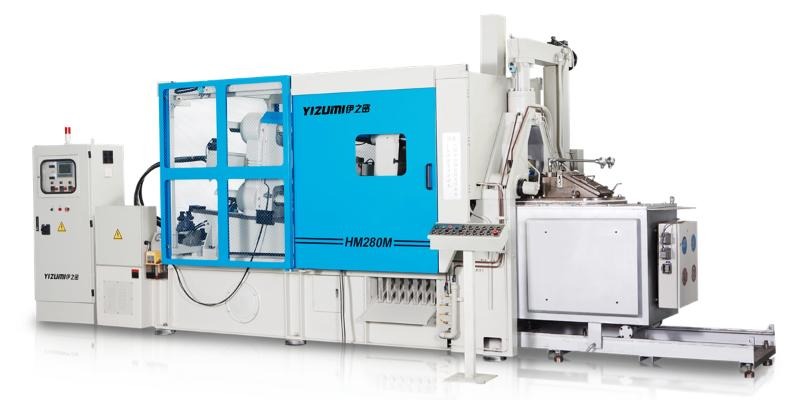
Die casting is a mainstream high-efficiency manufacturing process for producing high-volume, tight-tolerance precision metal components for automotive, 3C electronics, home appliances, and industrial machinery industries. Among all industrial die casting materials, aluminum die casting alloy, zinc die casting alloy, and magnesium die casting alloy are the three most popular options, accounting for over 95% of commercial die-cast parts on the global market.
Each die-cast alloy delivers unique mechanical properties, manufacturing costs, surface performance, and processing characteristics. Selecting the right die casting alloy directly impacts your die-cast part’s weight, structural durability, post-CNC machining difficulty, final surface quality, and overall production budget. To help mechanical engineers, product designers, and procurement teams complete accurate die casting material selection, this blog offers a detailed comparison of aluminum, zinc, and magnesium die casting alloys from key manufacturing dimensions.
1. Overview of Three Mainstream Die-Cast Alloys
Before diving into specific comparisons, let’s clarify the core positioning of each alloy in the die casting industry:
Aluminum die casting alloys are the most versatile and widely used die casting materials, perfectly balancing lightweight performance, structural strength, heat resistance, and production cost. This reliable die-cast alloy is the top choice for manufacturing medium and large structural parts and thermal dissipation components across most industries.
Zinc die casting alloys feature exceptional moldability, ultra-high dimensional accuracy, and premium surface finish among all common die cast metals. With a low melting point and stable mass production performance, zinc alloy die casting is ideal for fabricating small, intricate precision parts and decorative die-cast components.
Magnesium die casting alloys are the lightest commercial die casting alloys available, boasting ultra-low density and high specific rigidity. This high-end die cast alloy is exclusively used for premium lightweight manufacturing scenarios with strict weight control and structural stability requirements.
2. Core Performance & Characteristic Comparison
2.1 Weight & Density
Component weight is a critical design indicator for automotive lightweighting and portable 3C electronic devices. When comparing the three core die cast alloys, magnesium die casting alloy has the lowest density, aluminum die casting alloy sits in the middle, and zinc die casting alloy is the heaviest, creating clear application differences in lightweight manufacturing.
- Magnesium Die Cast Alloy: Density of 1.74 g/cm³, 35% lighter than aluminum alloy, making it the lightest industrial metal structural die casting alloy for high-end lightweight parts.
- Aluminum Die Cast Alloy: Density of 2.68 g/cm³, featuring lightweight performance and high cost efficiency, suitable for most standard structural die-cast parts.
- Zinc Die Cast Alloy: Density of 6.6 g/cm³, nearly 2.5 times heavier than aluminum die cast alloy, so it is not applicable for lightweight die casting component production.
2.2 Mechanical Strength & Rigidity
Mechanical properties are core indicators that determine the load-bearing capacity, impact resistance, and long-term service life of finished die-cast parts, and different die casting alloys show obvious performance gaps in this regard.
- Zinc Die Cast Alloy: Delivers excellent tensile strength and surface hardness, paired with great wear resistance and impact resistance, ensuring stable mechanical performance for room-temperature die-cast functional parts.
- Aluminum Die Cast Alloy: Offers balanced structural strength and toughness, outstanding high-temperature deformation resistance, perfect for high-temperature working die-cast structural and heat dissipation parts.
- Magnesium Die Cast Alloy: Features high specific strength and rigidity, but has poor ductility and low impact resistance, making die-cast parts prone to cracking under strong impact pressure.
2.3 Casting Performance & Precision
The casting performance of each die-cast alloy directly determines the achievable part complexity, dimensional tolerance accuracy, production yield rate, and overall manufacturing efficiency of die casting projects.
- Zinc Die Cast Alloy: Boasts superior molten metal fluidity and a low melting point. This die casting alloy can form ultra-thin walls, tiny grooves, and complex microstructures, delivering ultra-high dimensional accuracy and smooth surface finishes with minimal post-processing.
- Aluminum Die Cast Alloy: Provides excellent fluidity for conventional complex structures, supporting thin-wall die casting. It requires precise mold temperature control and has a slightly higher defect rate compared to zinc die cast alloys in mass production.
- Magnesium Die Cast Alloy: Has moderate fluidity with strict die casting process requirements. This die-cast alloy is highly sensitive to production parameters, resulting in a higher technical threshold for stable mass die casting production.
2.4 Corrosion Resistance & Surface Treatment
Surface adaptability and anti-corrosion performance of die casting alloys determine the aesthetic durability and environmental adaptability of finished die-cast parts for long-term use.
- Aluminum Die Cast Alloy: Possesses excellent natural corrosion resistance among mainstream die cast alloys. It supports anodizing, powder coating, sandblasting, and CNC polishing, with diverse and stable surface treatment options for die-cast parts.
- Zinc Die Cast Alloy: Easily oxidizes and rusts in natural environments, requiring electroplating, passivation, or spray painting. This die casting alloy has excellent coating adhesion, ideal for high-appearance decorative die-cast components.
- Magnesium Die Cast Alloy: Features poor natural corrosion resistance and is prone to oxidation. Die-cast magnesium parts require professional anti-corrosion treatments such as chemical film coating and specialized anodizing, leading to higher post-processing costs.
2.5 Thermal Conductivity & Heat Dissipation
Thermal conductivity is a key performance parameter for die casting alloys used in electronic heat sinks, automotive thermal systems, and other heat-dissipating die-cast components.
- Aluminum Die Cast Alloy: Delivers outstanding thermal conductivity, far exceeding zinc and magnesium die cast alloys, making it the mainstream material for industrial heat sinks and thermal die-cast shells.
- Zinc Die Cast Alloy: Has low thermal conductivity and poor heat dissipation performance, so it is not suitable for die-cast parts working in high-temperature and high-heat environments.
- Magnesium Die Cast Alloy: Offers moderate thermal conductivity, slightly lower than aluminum die cast alloy, and is only applicable for low-power heat dissipation die-cast components.
3. Production Cost & Process Adaptability
Cost control is a core consideration for die casting mass production. The comprehensive manufacturing cost of die-cast parts covers raw material cost, die casting processing cost, and CNC post-processing cost, varying greatly among different die-cast alloys.
Zinc Die Cast Alloy: Features a low melting temperature, minimal mold wear, and fast production cycles, resulting in low comprehensive die casting processing costs. Despite a higher raw material price, zinc alloy die-cast parts rarely require secondary CNC machining, effectively reducing overall production expenses.
Aluminum Die Cast Alloy: Comes with low raw material cost, moderate processing cost, and long service life for die casting molds. It is the most cost-effective die-cast alloy for large-batch production of medium and large parts, with mature supporting 3-axis, 4-axis, and 5-axis CNC post-processing solutions.
Magnesium Die Cast Alloy: Has high raw material prices, strict die casting process standards, a higher production scrap rate, and expensive anti-corrosion post-treatment. It has the highest comprehensive cost among the three die cast alloys, limited to high-end customized lightweight die casting projects.
4. Typical Industrial Applications of Each Alloy
Aluminum Die Casting Alloys (Most Versatile)
As the most versatile and widely adopted die cast alloy on the market, aluminum die casting alloys cover nearly all mainstream industrial die casting scenarios:
- Automotive industry: Engine housings, transmission shells, battery trays, motor brackets
- 3C electronics: Computer heat sinks, power supply shells, industrial control equipment housings
- Home appliances: Air conditioner parts, refrigerator accessories, motor shells
- Industrial equipment: Pump bodies, valve bodies, mechanical structural brackets
Zinc Die Casting Alloys (High-Precision & Decorative)
Zinc alloy die casting is dedicated to manufacturing small, ultra-precision, high-appearance die-cast parts with no strict lightweight requirements:
- Electronic precision components: Connectors, miniature structural parts, sensor shells
- Hardware decoration: Furniture hardware, lighting accessories, cosmetic hardware parts
- Automotive small parts: Door lock components, instrument internal brackets
Magnesium Die Casting Alloys (Ultra-Light High-End)
Magnesium die casting alloys are exclusively applied in high-end manufacturing fields that demand ultra-light weight and high structural rigidity for die-cast components:
- New energy vehicles: Lightweight body parts, interior structural components
- Portable 3C products: Laptop shells, tablet frames, drone structural parts
- Aerospace and precision instruments: Lightweight anti-vibration structural parts
5. How to Choose the Right Die Cast Alloy? Quick Selection Guide
- Choose Aluminum Die Cast Alloy: Ideal for mass production of medium and large die-cast structural parts, requiring balanced cost performance, heat dissipation, structural strength, and corrosion resistance.
- Choose Zinc Die Cast Alloy: Perfect for manufacturing small, intricate die-cast parts with high precision and high appearance standards, focusing on low secondary processing costs.
- Choose Magnesium Die Cast Alloy: Suitable for high-end die casting projects with strict lightweight and high-rigidity requirements, with a flexible and sufficient production budget.
6. Post-Processing Matching Tips
Most raw die-cast parts produced by the three mainstream die-cast alloys require professional secondary processing to meet industrial assembly and precision standards. Combined with professional 3-axis and 5-axis CNC machining technology, each die casting alloy has matched post-processing solutions:
Aluminum die-cast parts have the best CNC machining compatibility among all die-cast alloys, supporting drilling, tapping, milling, and high-precision surface finishing. Complex curved aluminum die-cast structural parts can be processed via 5-axis CNC one-time clamping to achieve ultra-high dimensional precision.
Zinc die cast alloy parts feature excellent as-cast precision, only needing simple trimming and minor CNC finishing, with the lowest post-processing cost among the three die-casting materials.
Magnesium die-cast parts are prone to burrs and minor deformation during production, requiring precise low-speed CNC machining and customized anti-corrosion post-treatment to guarantee finished part quality.