Automotive Metal Stamping: Critical Components for EV & Traditional Vehicles
Metal stamping stands as one of the most foundational a […]

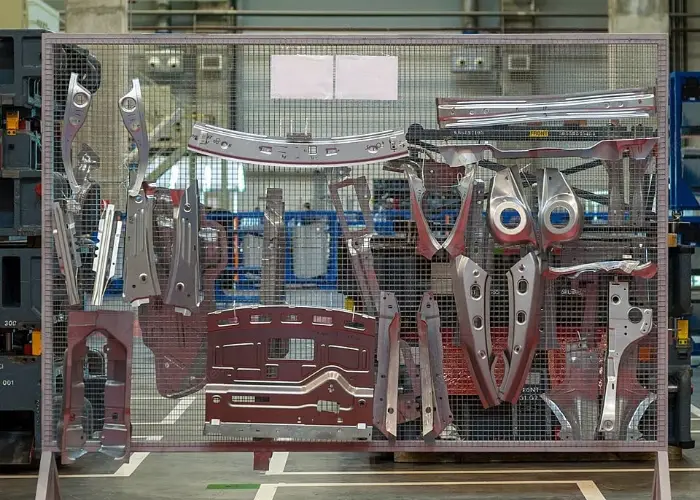
Metal stamping stands as one of the most foundational a […]
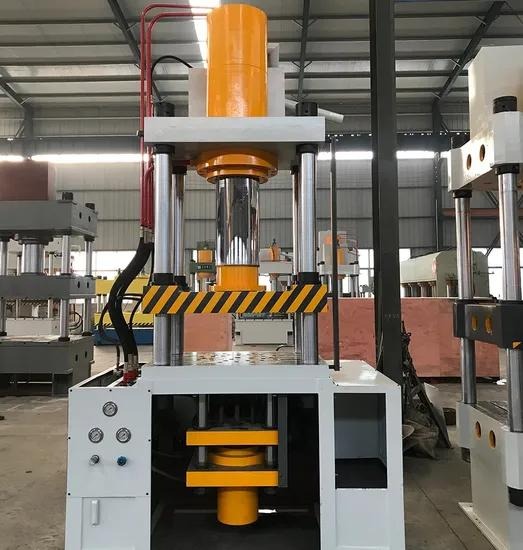
Metal stamping remains the most cost-effective mass production solution for sheet metal components across automotive, electronics, medical, and hardware industries. As a manufacturing buyer, understanding its processes, material limits, cost structure, and quality risks allows you to optimize part designs, negotiate better sourcing terms, and avoid common supply chain mistakes.
If you have custom sheet metal parts requiring high-volume production, metal stamping will almost always outperform alternative machining processes in long-term total cost and delivery efficiency. Always share complete technical drawings and batch demand forecasts with qualified precision stamping manufacturers to get accurate, transparent quotations.
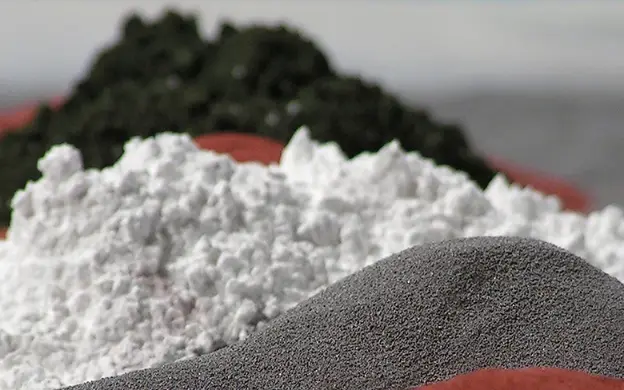
Against rising raw material and machining costs, industrial buyers seek low-waste, high-consistency forming technologies for small complex metal parts. Powder Metallurgy (PM) is a solid-state near-net-shape manufacturing method that produces metal components from alloy powders via compaction and sintering. Supported exclusively by peer-reviewed open-access academic journal papers, this guide systematically explains PM core principles, standardized production workflows, technical advantages, mainstream industrial applications, and process selection criteria. Compared with subtractive CNC machining, PM achieves over 95% material utilization, flexible complex geometry forming, and customizable composite material performance, delivering obvious cost advantages for high-volume mass production. This article helps procurement and design engineers judge whether powder metallurgy can replace traditional machining, casting or forging for their component projects
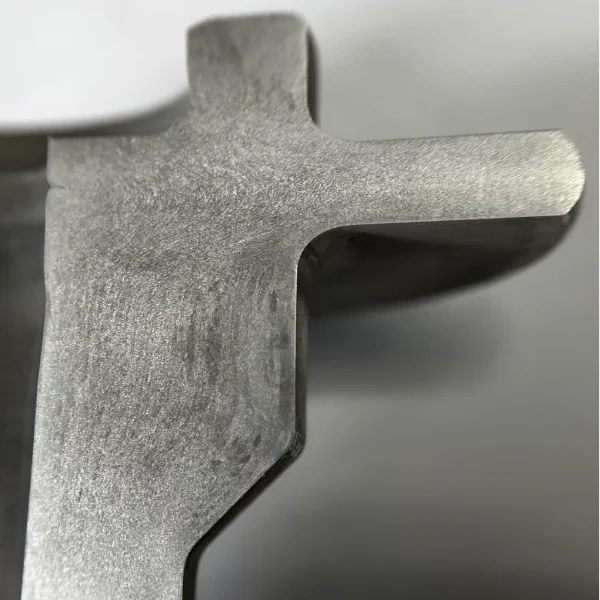
Soaring raw material, labor and post-processing costs plague manufacturers of automotive, aerospace and electronic metal parts. Conventional CNC subtractive machining generates massive scrap, low throughput and extra finishing expenses. As a room-temperature near-net-shape forming technology, cold heading reshapes metals via plastic deformation without cutting or heating. Supported by academic journals and industrial research, this article analyzes its cost-saving advantages against machining. Cold heading lifts material utilization to 92–99%, raises output by 15–20 times, removes most secondary processing and eliminates heating energy costs. Its continuous grain flow also improves part strength and reduces long-term failure losses. For high-volume symmetrical components, the combined benefits slash total production costs by up to 70%, offering a cost-optimized manufacturing solution for mass production.
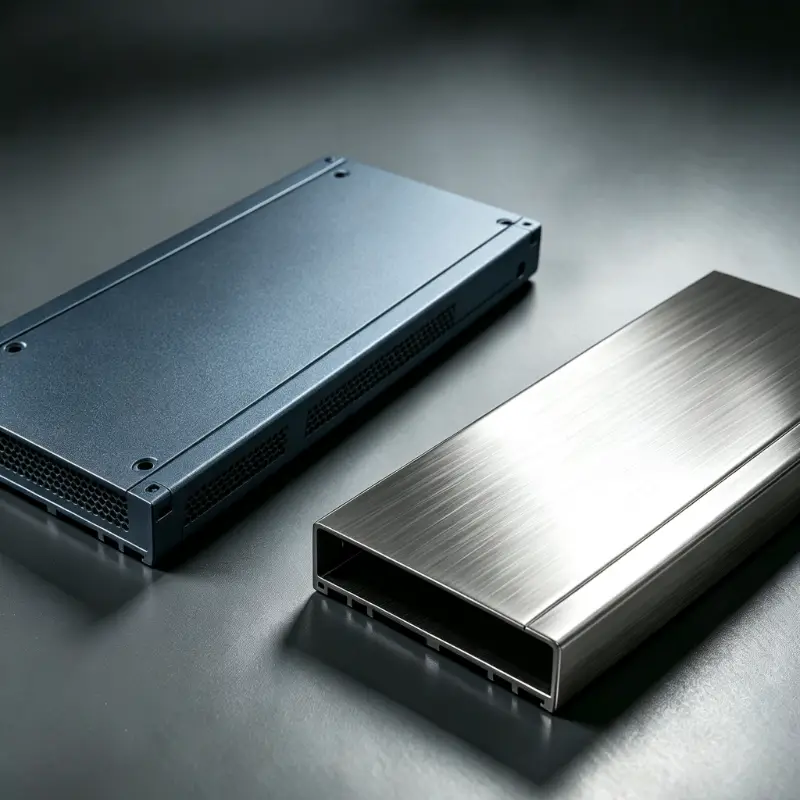
Mechanical sandblasting and metal brushing are both essential basic processes in metal surface treatment, but their core functional orientations are completely different. Sandblasting focuses on functional optimization — cleaning, roughening, and strengthening workpieces to lay a solid foundation for subsequent anti-corrosion coating treatment. Brushing focuses onaesthetic precision finishing — repairing surface defects and creating unique metal textures to improve product added value.
In actual industrial production, the two processes are often used in combination: sandblasting for base pretreatment and brushing for surface fine finishing, which can maximize the functional performance and aesthetic quality of metal workpieces. Reasonable selection of mechanical surface treatment processes is the key to reducing product failure rate, extending service life, and enhancing market competitiveness.
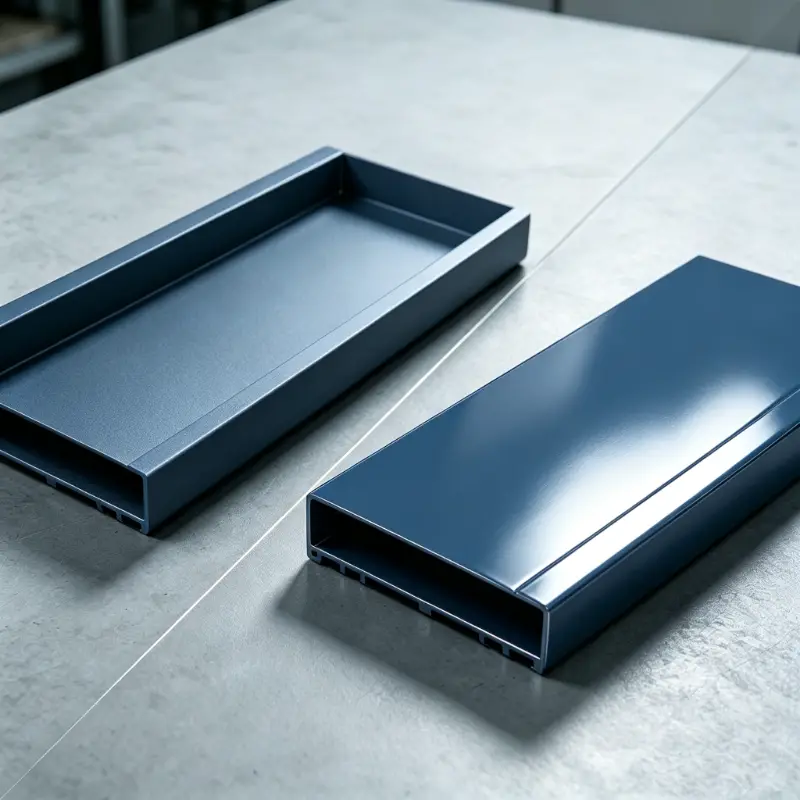
For large-volume metal products with high anti-rust and wear requirements and stable color demand, powder coating is the cost-effective, eco-friendly first choice. For customized small-batch products with rich color layers, heat-sensitive non-metal substrates or artistic decorative finishes, liquid paint (especially water-based paint) remains the optimal surface treatment solution.
Manufacturers can combine production batch, workpiece material, service environment and environmental compliance standards to select the most appropriate spraying surface finishing process.