
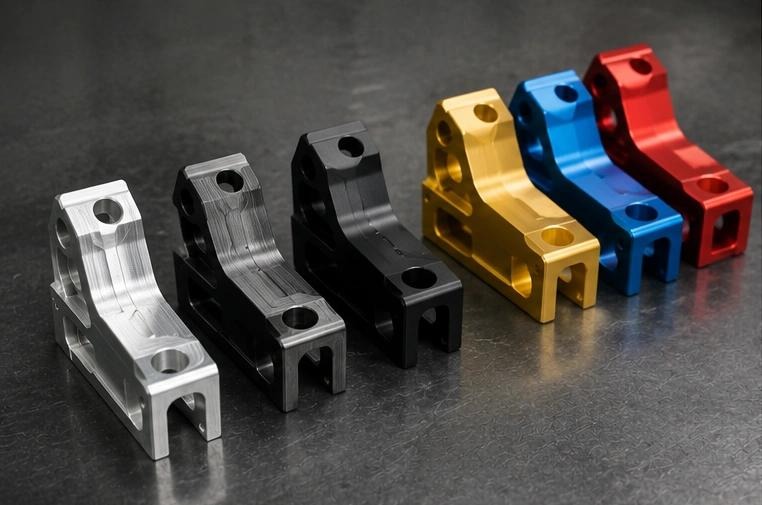
Surface treatment is one of the most essential yet underrated processes in modern manufacturing. It refers to a set of physical, chemical, and electrochemical techniques used to modify the outer surface of raw materials, improving durability, corrosion resistance, surface texture, and overall product performance without changing the base material’s internal structure.
From metal hardware and electronic casings to automotive parts and outdoor industrial equipment, almost all finished products rely on professional industrial surface treatment to avoid rust, wear, coating peeling, and surface failure. If you are looking for a complete guide to surface treatment benefits, common types, and industry use cases for production and product design, this article covers everything you need to know.
Why Is Surface Treatment Important in Manufacturing?
Many manufacturing defects, including surface oxidation, paint peeling, metal rusting, and short product lifespan, are caused by poor or missing surface treatment procedures. Industry data shows that 60% to 80% of industrial product surface failures result from inadequate surface pretreatment.
Surface treatment is no longer a simple cosmetic upgrade. It is a functional manufacturing process that determines product quality, service life, environmental adaptability, and market competitiveness. Its core value can be divided into four key aspects.
Core Benefits of Surface Treatment
1. Anti-Corrosion and Rust Prevention
Metal substrates such as steel, iron, and aluminum alloy are easily oxidized and corroded by air, moisture, and chemical substances. Professional surface treatment processes, including electroplating, anodizing, passivation, and powder coating,, form a dense protective film on the material surface.
This protective layer effectively isolates corrosive media, prevents metal rust and oxidation, and greatly extends the service life of products, especially for outdoor, marine, and humid working environments.
2. Improved Surface Functional Properties
Raw materials often have obvious surface defects, such as low hardness, poor wear resistance, weak insulation, and slippery surfaces. Custom surface treatment solutions can optimize targeted surface performance.
Common functional upgrades include wear resistance, high hardness, electrical insulation, anti-slip, high temperature resistance, and anti-static properties, which fully meet the functional requirements of mechanical friction, electronic insulation, and industrial high-temperature scenarios.
3. Premium Surface Aesthetics and Texture
Raw workpieces usually have rough surfaces, burrs, uneven textures and dark color defects. Through polishing, sandblasting, wire drawing, mirror finishing, color anodizing, and spray painting, manufacturers can achieve uniform, delicate, and high-end surface effects.
Decorative surface treatment is widely used in consumer electronics, hardware accessories, automotive interiors, and smart home products to improve product appearance and market added value.
4. Optimized Secondary Processing Stability
Oil contamination, oxide layers and burrs on raw material surfaces will seriously affect subsequent welding, bonding and coating processes. Standard surface pretreatment, including degreasing, derusting, deburring, and surface activation, can significantly improve coating adhesion and bonding firmness, reduce product defective rates, and stabilize mass production quality.
Common Types of Surface Treatment Processes and Applications
Different surface treatment technologies have unique advantages in cost, surface effect, functionality, and material adaptability. The following are the most widely used industrial surface treatment types for metal and plastic workpieces.
1. Mechanical Surface Treatment
Mechanical surface treatment is a physical modification process, including sandblasting, polishing, wire drawing, grinding, and tumbling. It removes surface burrs, oxide skins and scratches through physical friction and impact.
Advantages: eco-friendly, no chemical residue, fast processing speed, excellent for surface smoothing and texture forming.
Applications: hardware parts, mechanical accessories, decorative components and pretreatment for other coating processes.
2. Spray Coating Treatment
Spray coating includes liquid painting and powder coating, which covers the workpiece surface with resin protective layers. Among them, powder coating has become the mainstream industrial process due to its high material utilization rate, environmental protection performance, and stable coating effect.
Advantages: rich color options, balanced anti-corrosion and wear resistance, low cost, suitable for mass production.
Applications: home appliance shells, aluminum profiles, outdoor equipment, automotive parts, and architectural hardware.
3. Electrochemical Surface Treatment
Represented by anodizing and electroplating, electrochemical treatment is a high-precision metal surface finishing technology.
Aluminum anodizing: forms a dense, durable oxide film on aluminum alloy surfaces with coloring and hardening functions, widely used in mobile phone shells, aluminum brackets, and new energy parts.
Metal electroplating: deposits zinc, nickel, chromium, and other metal layers on substrates. Zinc plating focuses on low-cost anti-corrosion, while chromium and nickel plating provide high hardness and mirror decorative effects.
4. Chemical Surface Treatment
Chemical surface treatment includes passivation, blackening, and chemical plating. It relies on chemical reactions to form invisible and precise protective layers without electric power and will not change the workpiece size and appearance.
Features: high precision, no workpiece deformation, excellent stability.
Applications: stainless steel precision parts, medical devices, aerospace accessories, and standard fasteners.
How to Choose the Right Surface Treatment Process?
The best surface treatment solution depends on substrate material, working environment, functional requirements, appearance standards, and production budget. You can follow this practical selection guide:
- By substrate: Aluminum alloy prioritizes anodizing; steel and iron suit galvanizing and powder coating; stainless steel matches passivation and polishing; plastic applies spray painting and texture treatment.
- By usage scenario: Outdoor corrosive environments choose anti-corrosion processes; high-friction parts adopt wear-resistant treatment; precision industrial parts use high-precision chemical treatment.
- By appearance demand: Matte texture for sandblasting and wire drawing; high-gloss effect for mirror polishing and chrome plating; colorful customization for spray coating and colored anodizing.
- By production scale: Mass production prefers cost-effective powder coating and conventional electroplating; high-end customized products adopt hard anodizing and precision polishing.
Latest Trends of Modern Surface Treatment Industry
With the upgrading of global environmental protection standards and high-end manufacturing, the surface treatment industry is developing toward environmental protection, refinement, and functional customization.
Traditional high-pollution processes are gradually phased out, replaced by eco-friendly technologies such as cyanide-free electroplating, water-based painting, environmental passivation, and zero-pollution powder coating. Meanwhile, functional surface treatment is becoming a new industry hotspot, including anti-static coating, high-temperature resistant coating, antibacterial coating, and self-cleaning surface treatment, which are widely used in medical treatment, new energy, intelligent manufacturing, and aerospace fields.