
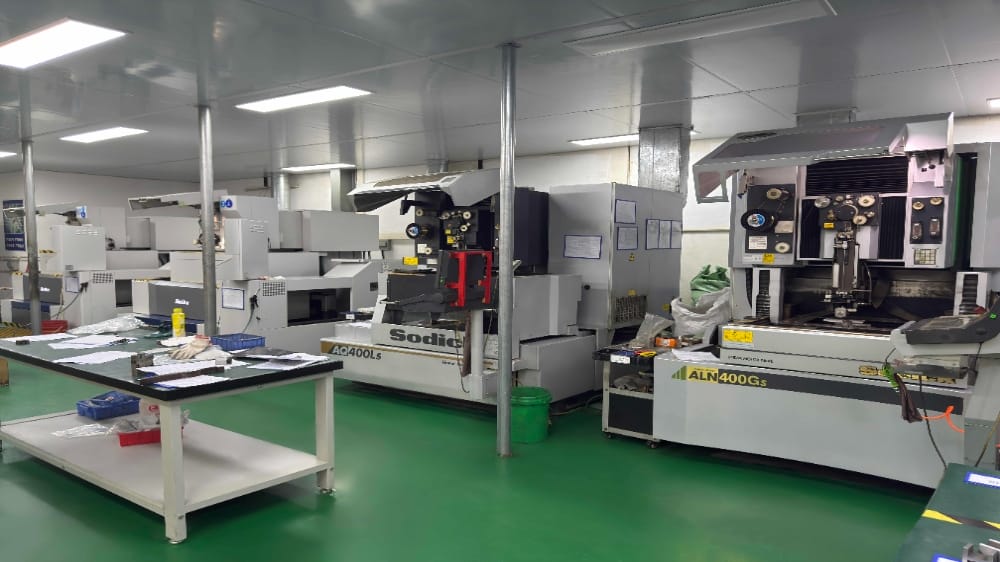
For mold makers, fixture manufacturers and precision component engineers, surface quality directly determines product yield, post-processing workload and final assembly performance. Many manufacturers outsource Wire EDM processing only to receive parts with obvious wire stripes, uneven texture and unsatisfactory Ra values. A natural question arises: Could we achieve better surface finish on your Wire EDM parts?
The short answer is yes. Improved Wire EDM surface finish is achievable through optimized machine parameters, wire material selection, cutting strategies and professional process control. However, surface quality improvement cannot rely on a single adjustment. It requires systematic process tuning matched to your material, part geometry and tolerance requirements.
What Causes Poor Surface Finish in Standard Wire EDM Cutting?
Before exploring solutions, let’s review common root causes of rough wire-cut surfaces:
- Unoptimized power and pulse parameters High-energy pulse settings boost cutting speed but create deeper discharge craters, resulting in coarse surface texture. Many factories prioritize processing efficiency over surface quality for bulk orders.
- Single-pass cutting only A rough one-pass cut leaves prominent wire marks. Without secondary skim cutting, surface roughness cannot reach high-standard requirements.
- Incorrect wire electrode selection Brass wire delivers stable cutting performance, while coated zinc wire offers superior surface finish. Using unsuitable wire material limits surface optimization potential.
- Unstable flushing condition Insufficient or uneven dielectric flushing fails to remove eroded debris effectively. Repeated secondary discharge creates irregular pits and scratches on part surfaces.
- Material hardness & part structure limits Thin workpieces, tall mold inserts and high-hardness materials such as hardened steel, tungsten carbide and graphite bring extra challenges for consistent surface quality.
Practical Ways To Upgrade Wire EDM Surface Finish
1. Adopt Multi-cut skim strategy
Multi-pass machining consists of one rough cut followed by 1–4 skim passes. The rough cut completes contour shaping; subsequent low-energy skim cuts gradually remove the damaged surface layer formed by electrical discharge. This is the most widely adopted and effective method to lower Ra and eliminate wire lines.
2. Match wire electrode to your application
- Standard brass wire: cost-effective for general structural parts
- Zinc-coated wire: preferred for high surface finish demands, ideal for mold cavities and core inserts requiring minimal polishing.
3. Fine-tune pulse discharge parameters
Reduce pulse on-time and lower discharge energy during skim passes. Smaller discharge craters form, significantly improving surface smoothness. Experienced Wire EDM operators adjust parameters dynamically according to workpiece thickness.
4. Stabilize dielectric flushing pressure and flow
Well-controlled flushing washes away eroded metal particles timely, preventing secondary arcing and surface scratches. Improper flushing is often the overlooked reason for inconsistent surface texture on tall parts.
5. Reserve reasonable machining allowance
Sufficient uniform allowance for skim cutting ensures consistent material removal across the entire contour. Uneven stock allowance leads to fluctuating surface roughness.
Is Perfect Surface Finish Always Necessary?
While high-quality surface finish brings obvious benefits, engineers should balance requirements with cost and lead time.
Multi-skimming extends machining time and raises processing costs. For non-critical mating surfaces, a standard single or two-pass solution meets specifications and controls budgets. For mold parting lines, sealing surfaces and precision sliding fit components, investing in optimized Wire EDM surface treatment greatly reduces manual polishing time and shortens your mold lead cycle.
How To Choose A Qualified Wire EDM Supplier For Smooth Surfaces
When sourcing Wire EDM services, communicate your surface roughness requirements clearly: specify target Ra value, indicate whether post-polishing is allowed, and highlight critical functional surfaces.
A reliable supplier will:
- Confirm if multi-skimming is required during quotation
- Provide reference samples with matching material and cutting height
- Adjust cutting strategy instead of using universal one-size-fits-all parameters
- Deliver consistent surface quality across prototype and batch production
Final Thoughts
So, back to the core question: Could we achieve better surface finish on your Wire EDM parts?
Absolutely. With mature multi-cut technology, professional parameter tuning and strict on-site process management, modern Wire EDM workshops can deliver smooth, burr-free contours with greatly reduced secondary polishing work.
If you are troubled by unsatisfactory surface texture on existing wire cut components, send over your drawings and specifications. We can evaluate feasible optimization solutions and provide targeted Wire EDM processing quotations for your precision projects.