作者姓名:12bones

knowledge, Technical knowledge

Cold Heading vs CNC Machining: Cost, Strength & Production Efficiency Guide

Cold heading is the optimal solution for large-batch, high-strength, cost-sensitive standard fasteners, featuring higher mechanical performance, zero material waste, and ultra-high production efficiency. CNC machining excels at low-volume, complex, high-precision custom parts with unlimited structural flexibility.
Understanding the differences between cold heading and CNC machining allows designers and buyers to optimize production plans, reduce manufacturing costs, and improve product durability. If you need custom cold heading parts, CNC finishing services, or one-stop metal component manufacturing solutions, our professional team provides high-quality, low-cost, and fast-delivery processing support.

Cold Heading
Technical knowledge, knowledge

Common Materials Used in Cold Heading: Steel, Brass, Aluminum

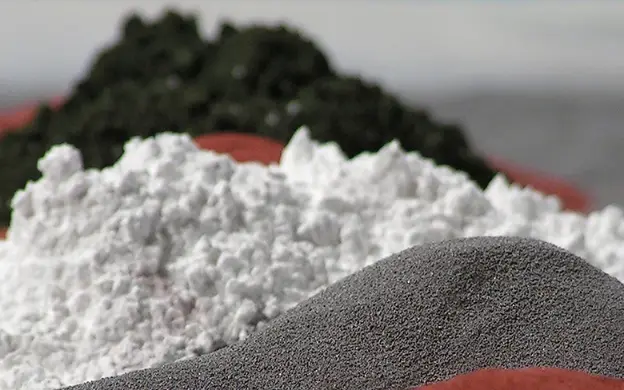
Steel, brass, and aluminum are the three most widely used raw materials for cold heading forming, with obvious differences in ductility, mechanical performance, cost and application scenarios. Carbon and stainless steel feature high tensile strength and wear resistance, suitable for heavy-load structural fasteners, though extra anti-rust surface treatment is required for ordinary carbon steel. Brass boasts superior plasticity, smooth forming surface and excellent electrical conductivity, ideal for miniature conductive terminals and decorative hardware, yet its mechanical load capacity is limited. Aluminum alloy stands out for ultra-light weight and outstanding heat dissipation, matching the lightweight trend of new energy and 3C electronics, while its low hardness restricts use in high-strength bearing parts. Material selection depends on product load requirements, weight limits, conductivity demands and production budget, and each metal also needs matched cold heading lubrication and post-CNC machining processes to lower scrap rates.

Cold Heading img
knowledge, Technical knowledge

What Is Cold Heading? Process, Advantages & Industrial Applications

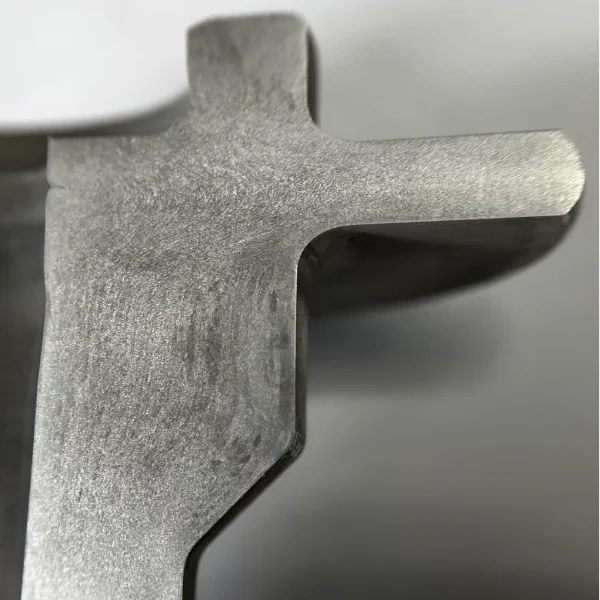
Cold heading is a high-efficiency, high-strength, and eco-friendly metal forming process that perfectly solves the pain points of low efficiency, material waste, and insufficient structural strength in traditional processing. With the booming development of automotive lightweighting, electronic precision manufacturing, and industrial automation, cold heading combined with precision CNC secondary machining will continue to be the mainstream manufacturing solution for high-quality fasteners and precision metal components.
If you need custom cold heading parts, standard fasteners, or one-stop cold heading + CNC precision processing services, our professional manufacturing team can provide high-quality, low-cost, and short-cycle production solutions.

Die-casting machine
knowledge, Technical knowledge

Common Die Cast Alloys: Aluminum, Zinc, Magnesium Comparison

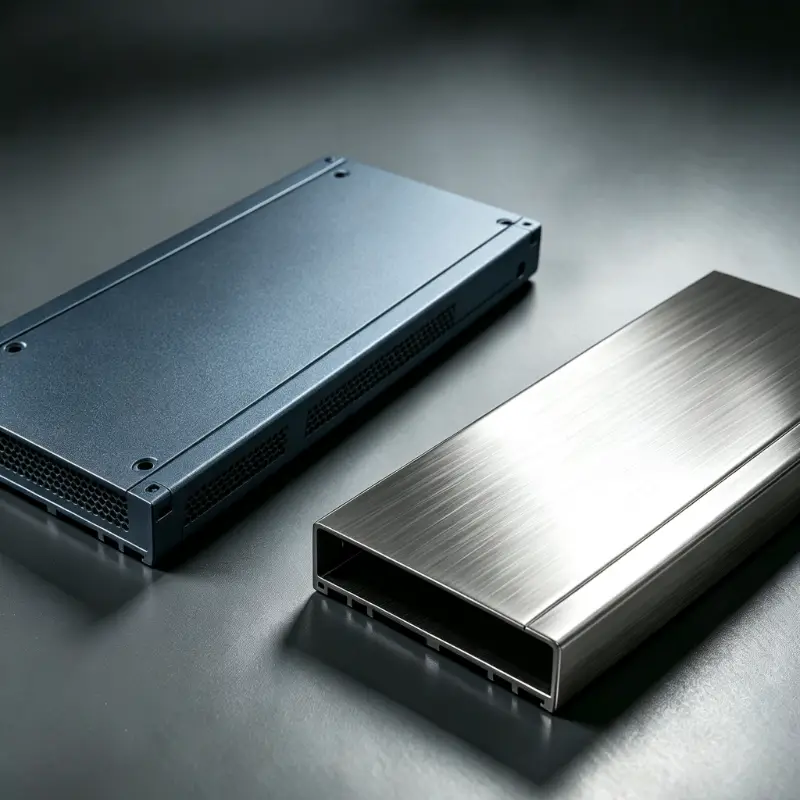
In die casting manufacturing, there is no absolutely “best” die cast alloy, only the most suitable material for your project. Aluminum die casting alloys dominate the mainstream market with comprehensive performance and cost advantages. Zinc die casting alloys are the top choice for high-precision small die-cast parts and decorative hardware components. Magnesium die casting alloys occupy the high-end lightweight die casting track with ultra-light weight and superior structural rigidity.

Professional die cast alloy selection can effectively reduce die casting production costs, improve die-cast part stability, and shorten mass production cycles. If you have customized die casting and CNC post-processing needs, our team provides one-stop solutions including professional die cast alloy selection, mold development, and high-precision die-cast part processing.

Die Casting
Technical knowledge, knowledge

What is Die Casting? A Complete Guide to Precision Metal Mass Production

Die casting is not just a metal forming process, but a core bridge between low-cost mass production and high-precision industrial manufacturing. It solves the pain points of low efficiency of pure CNC machining and low accuracy of traditional casting. With the upgrading of automobile lightweight and electronic miniaturization trends, die casting technology, matched with advanced multi-axis CNC post-processing, will continue to be the mainstream choice for precision metal component manufacturing in the future.

Die Casting Service (3)
knowledge, Technical knowledge

Custom Die Casting Price – How Much Will My Cast Parts Cost?

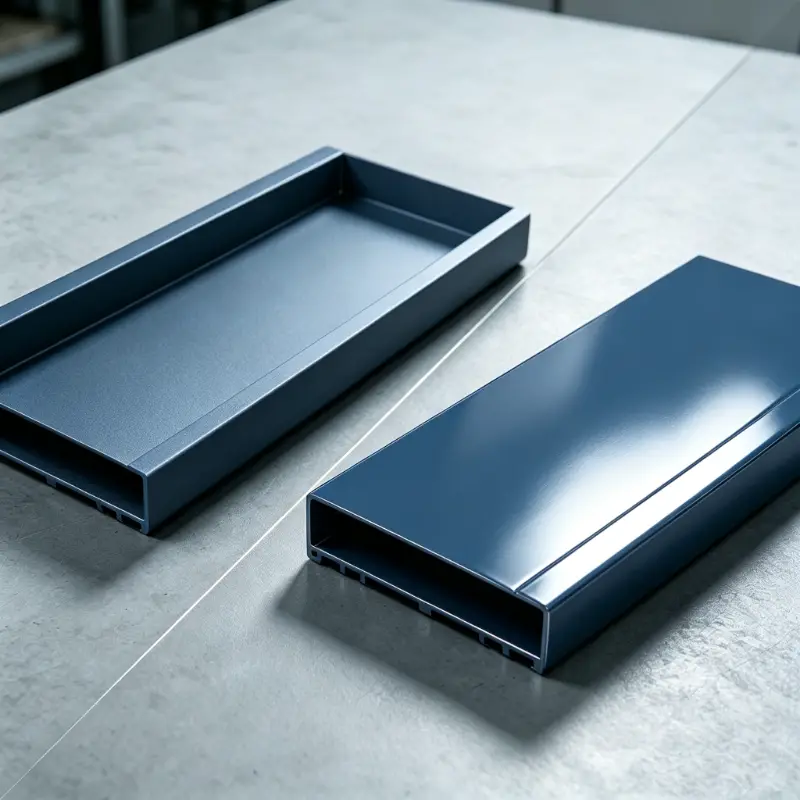
There is no fixed universal price for custom die casting; the final cost is shaped by mold investment, metal material, order quantity, part complexity, CNC machining and surface treatment demands. Zinc alloy die casting generally provides a more cost-effective solution for small intricate custom parts, while aluminum fits high-strength, heat-dissipation industrial products.
If you want transparent, all-in pricing without hidden surcharges, cooperate with an integrated custom die casting manufacturer equipped with internal CNC machining workshops. Send your drawings or physical samples today to get a free customized quotation tailored to your exact project requirements.

滚动至顶部