
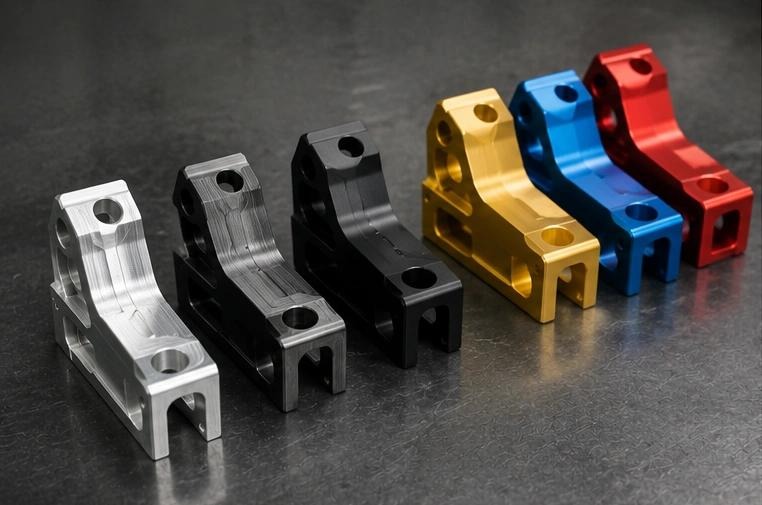
A machined enclosure can meet its dimensions and still be rejected because the buyer and supplier understood “good appearance” differently. A sample approved under one light may look different beside the mating cover, and a small handling mark may fall on the face the customer sees first. Cosmetic CNC parts need an appearance agreement as well as a dimensional drawing.
Here, cosmetic means visible surface appearance, not parts for the cosmetics industry. This purchasing checklist is intended for machined housings, covers, knobs, and other components where finish consistency affects acceptance.
Mark which surfaces the customer will see
Use an annotated drawing or controlled visual specification to identify the exposed faces, edges, recesses, and assembly interfaces. A simple zone map can distinguish visible surfaces from concealed areas. Define the meaning of each zone; a letter by itself creates no acceptance rule.
Show where clamp contact, rack contact, masking boundaries, or identification marks may be acceptable. Ask the supplier to identify proposed contact locations before the sample is made. Do not assume that a hidden area can be used without checking its functional requirements.
Describe the finish beyond a color name
Specify the required finishing process and any governing specification, surface preparation, texture direction, and appearance reference. State which requirements apply to the final delivered condition. “Black anodized” does not completely describe sheen, texture, color variation, or permitted contact marks.
The Aluminum Anodizers Council explains that alloy and finishing choices affect anodized appearance. A color reference therefore needs an agreed material and preparation context. Do not assume a sample on a different alloy or surface texture will reproduce the appearance of your machined housing.
Where color matching matters, agree a reference sample and how variation will be evaluated. Photographs are useful for communication, but camera settings, lighting, and screens can change the apparent color. Decide whether a physical master, an agreed range, or a defined measurement method will control acceptance.
Agree how the sample will be viewed
Record the viewing conditions used for the decision: lighting arrangement, viewing distance and angle, inspection time if relevant, and whether the component is assessed alone or beside mating parts. These are project requirements to agree, not numbers to copy from an unrelated product.
| Item to agree | Useful instruction | Question to close |
|---|---|---|
| Visible surfaces | Identify them on the current drawing. | Are edges and recesses included? |
| Finish reference | Identify the approved sample and finish specification. | Does the reference use comparable material and preparation? |
| Viewing conditions | Use the same agreed assessment conditions. | Will both parties judge the sample consistently? |
| Marks and texture | Define permitted and rejected conditions by zone. | Where may contact marks or texture transitions occur? |
| Functional interfaces | Identify masking and final measurement requirements. | Which fits, threads, or contact faces need protection? |
| Packaging | Protect the approved visible surfaces. | Can parts contact one another in transit? |
Separate appearance approval from dimensional approval
A pleasing finish does not establish that a bore, thread, or sealing interface meets its requirement. Conversely, a dimensional pass does not resolve a disputed color or visible scratch. Keep the two acceptance decisions identifiable in the sample report.
For anodized aluminum housings, agree masking and the stage at which critical dimensions are measured. The finishing review should address the specified interfaces, rather than adding a generic note that all dimensions will remain unchanged.
Use surface treatment information to discuss the process, and retain the controlled drawing for dimensional acceptance. Avoid changing technical limits in an email solely to make an appearance sample acceptable.
Make the approved sample usable for repeat orders
Record the sample identifier, drawing revision, material, finish, approval date, and any exceptions. If a sample is approved only for color, say so. If one edge is conditionally accepted for the trial, do not let that exception become an undefined production standard.
Ask how the approved reference will be stored and identified. A replacement reference, proposed surface-preparation change, or material substitution should receive the review required by the order. Repeat production needs a clear baseline that both parties can retrieve.
Include packaging in the appearance review
Agree how visible faces will be protected from rubbing and impact. Check that wrapping, separators, labels, and any protective films suit the finish and the next assembly step. Inspect trial packaging as well as the parts; a finish that passes at dispatch may be damaged by part-to-part contact in transit.
When comparing a China machined-parts supplier with another source, keep these requirements in every quotation. An offer that includes individual protection and documented appearance approval has a different scope from one that includes only bulk-packed parts. Our CNC machining RFQ checklist helps keep that comparison explicit.
Reference
Aluminum Anodizers Council: Specifying Anodized Finishes on Aluminum. The checklist above is a purchasing framework, not a substitute for an applicable finish specification or a claim of AAC endorsement.