
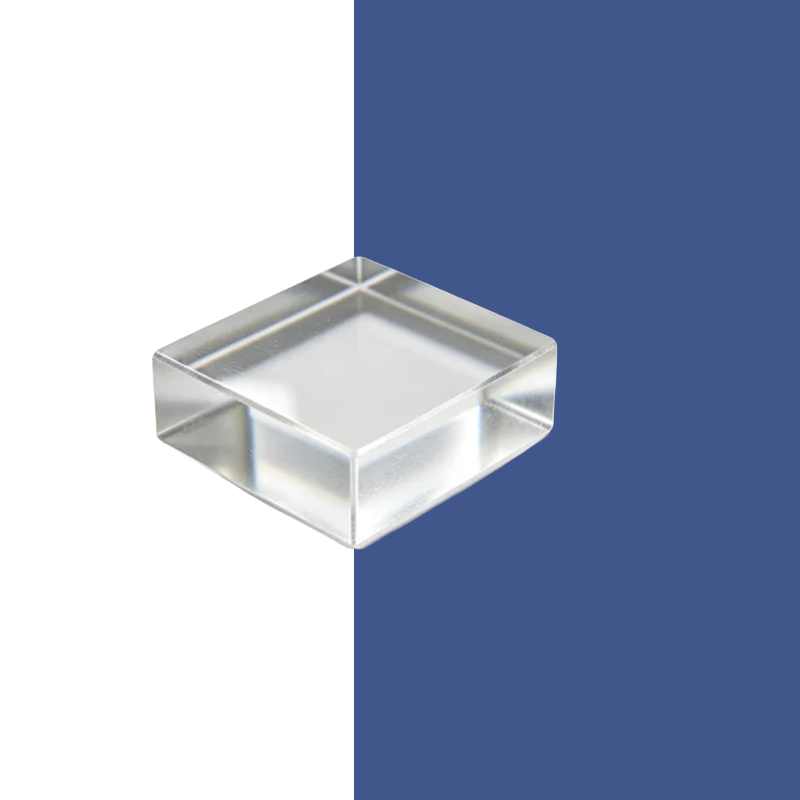
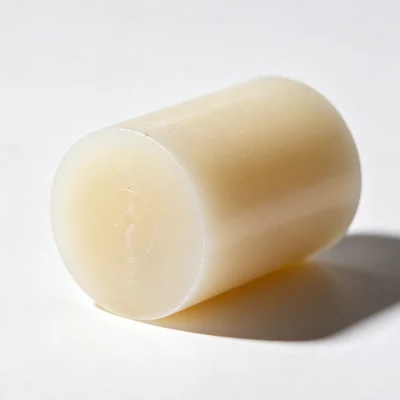
Basic Definition
Polyoxymethylene, abbreviated as POM, also named acetal / polyacetal, is a high-crystallinity thermoplastic engineering plastic, widely known as “super steel plastic” for its metal-like rigidity and mechanical performance. Its molecular chain consists of repeated -CH₂O- units. There are two mainstream grades:
- POM-H (Homopolymer POM): Higher tensile strength, rigidity and wear resistance; represented by Delrin.
- POM-C (Copolymer POM): Better thermal stability, hydrolysis & acid-base resistance, wider industrial use; brands include Celcon, Hostaform, Duracon.
Core Advantages
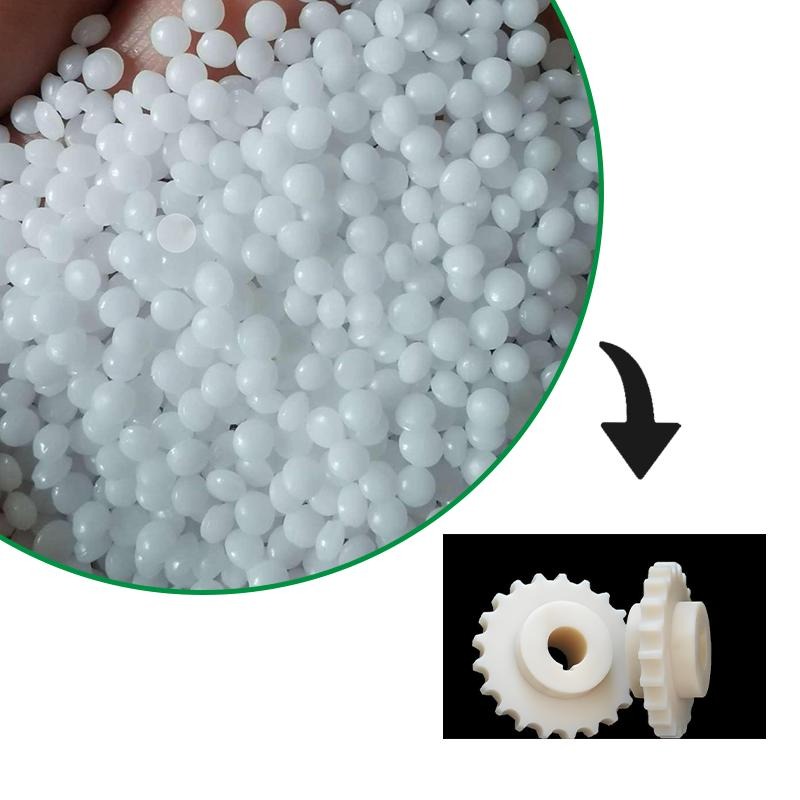
- Excellent self-lubrication & wear resistance Ultra-low friction coefficient, outstanding sliding performance. Moving parts like gears and bearings can work long-term without extra lubrication, better abrasion resistance than nylon PA.
- High rigidity, hardness & creep resistance Stiff texture close to metal; hardly deformed under continuous static load, perfect for load-bearing precision structures.
- Superior dimensional stability Extremely low water absorption (≤0.25%), no swelling/shrinking in humid environments, maintains tight machining tolerances for precision parts.
- Strong fatigue resistance Withstands millions of repeated bending, opening-closing cycles without cracking; ideal for clips, springs and switch mechanisms.
- Good chemical resistance Inert to most organic solvents, fuels, lubricants and alkaline cleaners; only vulnerable to strong acids and oxidants.
- Fine machinability Smooth as-molded surface, easy to CNC turn, mill, drill and injection mold for complex tiny structures.
- Stable electrical insulation Reliable dielectric property for small electronic insulating components.
Limitations
- Poor UV resistance; will crack and fade under long-term sunlight without UV stabilizer.
- Not resistant to strong mineral acids, chlorine-containing oxidants.
- Low heat deflection temperature; continuous working temperature limited around 100°C.
- High crystallinity leads to slight mold shrinkage during forming.
Main Industrial Applications
Automotive
Fuel pump parts, door lock assemblies, window lifter gears, bearing bushings, pipe connectors, throttle components.
Precision Machinery
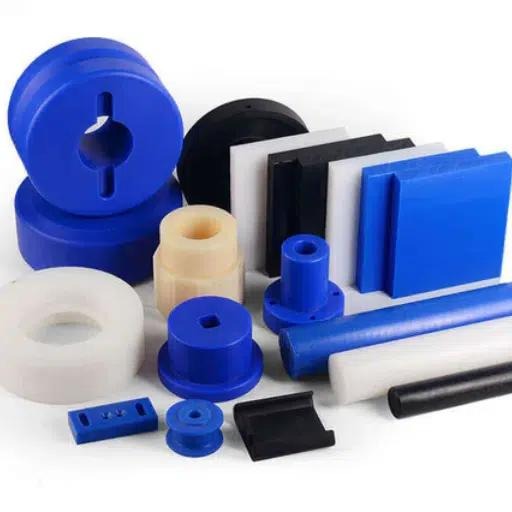
Small gears, bearings, sliding rails, guide blocks, valve cores, transmission parts, fasteners.
Consumer Electronics & Daily Goods
Keyboard key mechanisms, camera internal structures, zipper teeth, pen parts, lock cylinders, toy transmission gears.
Medical Equipment
Disposable inhaler parts, surgical instrument accessories, fluid control valve components (food & medical grade POM).
Other Fields
Ski bindings, eyeglass frames, water treatment valve parts, conveyor wear strips.
Brief Technical Parameters (Reference)
- Density: 1.41–1.42 g/cm³
- Melting point: 160–170°C
- Tensile strength: ~70 MPa
- Water absorption (24h): 0.2–0.3%
- Continuous service temperature: -40°C ~ 95–100°C
POM Material Parameter Table
| Parameter Name | Reference Specifications |
|---|---|
| Price | Based on raw material grade, part weight, machining complexity and order batch size |
| Delivery time | Prototypes: 3–5 working days; Mass production: 7–12 working days |
| Wall thickness | Minimum 1.0 mm; optimal 1.5–4 mm; Avoid overly thick uneven walls to reduce shrinkage and warpage |
| tolerance | Standard tolerance ±0.06 mm; Precision tolerance ±0.03–0.05 mm (extra charge), ISO 2768-m standard |
| Maximum part size | CNC solid sheet/block/rod processing: 1200 × 1000 × 300 mm |
| Available POM Grades | 1. Homopolymer POM (high hardness, good rigidity, natural white/black)2. Copolymer POM (better chemical resistance, low-temperature toughness)3. Glass fiber reinforced POM (enhanced dimensional stability, high strength)4. Lubricant modified POM (low friction for gears, bearings and sliding parts)5. Anti-static POM for electronic insulating fixtures |