
Basic Definition
PA, short for Polyamide, is commonly known as Nylon. It is a high-performance engineering thermoplastic formed by polycondensation of diamines and dicarboxylic acids. Typical commercial grades include PA6, PA66, PA12, PA46, etc.
Core Material Properties
- Mechanical Strength High tensile strength, impact resistance and wear resistance even under low-temperature environments. It features self-lubricating properties, low friction coefficient, suitable for moving mechanical parts without frequent oil lubrication.
- Chemical Resistance Resistant to most organic solvents, greases, oils and alkaline substances. Limited tolerance to strong acids, strong oxidants and moisture absorption.
- Thermal Performance Wide usable temperature range; retains structural stability at moderate high temperatures. Modified heat-resistant PA can serve continuous working temperature above 120°C.
- Moisture Absorption Characteristic Natural PA absorbs water from air, which slightly reduces rigidity but boosts toughness. Drying treatment is required before CNC machining or injection molding to avoid bubbling and surface defects.
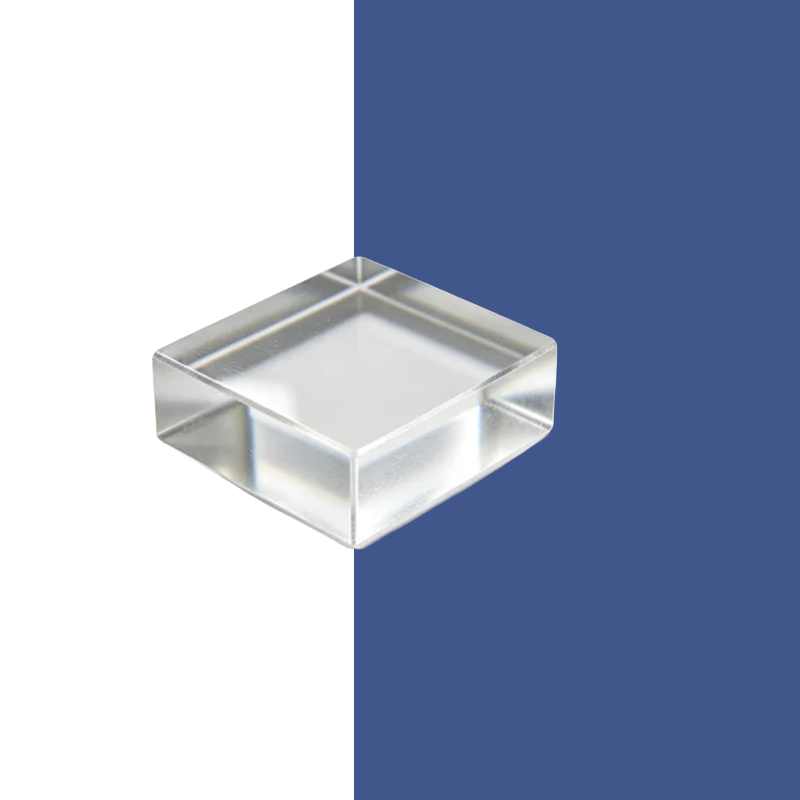
- Machinability Solid PA stock rods, sheets and blocks are widely used for CNC turning, milling and 5-axis machining. It delivers smooth finished surfaces after precision cutting.
Main Advantages
- Outstanding abrasion & anti-friction performance
- Excellent toughness and anti-shock capacity
- Lightweight compared with metal alloys
- Good vibration and noise damping effect
- Easy to machine, mold and post-process
- Reliable resistance to fuel and lubricants
Common Limitations
- Unmodified PA absorbs humidity easily, causing minor dimensional changes
- Poor UV resistance without UV stabilizer additives
- Slightly prone to creep under long-term constant load
Typical Industrial Applications
- Precision mechanical components: gears, bearings, guide sliders, bushings
- Automotive parts: engine connectors, cable ties, oil pipe fittings
- Electronic insulation structural parts, connector housings
- Medical disposable accessories (biocompatible modified grades)
- Custom machined plastic fixtures, jigs and wear-resistant spare parts
- Consumer hardware, textile loom accessories
Processing Forms
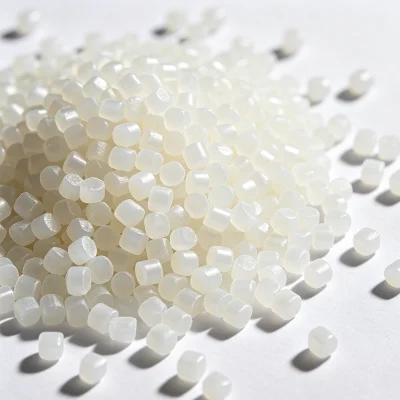
Raw PA materials are supplied as solid blocks, extruded sheets, round bars, and injection molding pellets. Filled variants (glass fiber reinforced PA, carbon fiber PA, molybdenum disulfide filled PA) are available to enhance rigidity, wear resistance or dimensional stability.
Material parameter table
| Parameter Name | Reference Specifications |
|---|---|
| Price | Depends on raw material cost, part weight, machining complexity, order quantity and surface finish |
| Delivery time | Prototypes: 3–5 working days; Bulk production: 7–15 working days |
| Wall thickness | Minimum 1.2 mm; ideal range 1.5–4 mm; thick walls require annealing to reduce internal stress |
| tolerance | Standard tolerance ±0.08 mm; Precision tolerance ±0.03–0.05 mm (extra charge); Follow ISO 2768-m |
| Maximum part size | CNC solid bar/sheet processing: 1200×1000×300 mm |
| Available PA Grades | 1. PA6 (Nylon 6, good toughness, low cost)2. PA66 (Nylon 66, high strength, heat resistant)3. PA12 (Low water absorption, stable dimension)4. Glass fiber reinforced PA6/PA66 (15%/30% GF, high rigidity)5. Carbon fiber-filled PA (wear-resistant, conductive option)6. MoS₂-filled PA (self-lubricating for gears/bearings)7. Flame retardant PA (UL94 V0 for electronics) |