
Basic Definition
ABS stands for Acrylonitrile Butadiene Styrene, a thermoplastic terpolymer formed by copolymerizing three monomers. It is a widely used general-purpose engineering plastic with balanced mechanical properties and excellent processability.
The three components contribute distinct characteristics:
- Acrylonitrile (A): Provides stiffness, surface hardness, resistance to oils and chemicals, heat resistance, and good electroplating performance.
- Butadiene (B): Acts as a rubber phase, delivering outstanding toughness and low-temperature impact resistance to prevent cracking.
- Styrene (S): Offers high gloss, easy colorability, and good melt fluidity for smooth molding.
Key Physical Properties
- Density: 1.04–1.08 g/cm³, lightweight
- Molding temperature range: 220–260 °C, no definite melting point
- Heat deflection temperature: 70–100 °C; long-term service temperature ≤ 80 °C
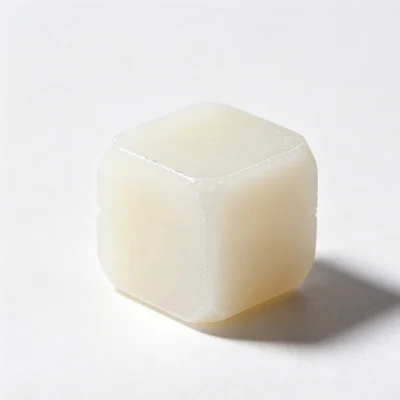
- Natural color: ivory or pale yellow pellets, available in custom gloss or matte colors
- Low water absorption, stable dimensional accuracy; food-safe grades are non-toxic and odorless
Main Advantages
- Excellent impact resistance, remains tough even at low temperatures, resistant to breaking from drops.
- Superior processing performance: suitable for injection molding, extrusion, vacuum forming and 3D printing; ideal for thin-walled complex structures.
- Versatile surface post-treatment: supports painting, silk-screen printing, vacuum electroplating and laser engraving.
- Resistant to water, detergents, weak acids, weak alkalis and edible oils.
- Cost-effective with balanced rigidity and toughness.
- Stable electrical insulation, suitable for electronic housings and switches.
Disadvantages & Limitations
- Poor heat resistance: cannot sustain long-term exposure above 80 °C, not fit for boiling water containers.
- Weak weather resistance: turns yellow and brittle under long-term outdoor UV radiation; UV-stabilized modified ABS is required for outdoor use.
- Vulnerable to strong organic solvents such as acetone and thinner, which cause surface corrosion and stress cracking.
- Flammable standard grade with yellow flame and black smoke; flame-retardant V0 grade ABS is mandatory for electrical products.
Common Modified ABS Grades
- General-purpose ABS: home appliance casings, toys, daily necessities
- High-impact ABS: luggage, safety helmets, sports equipment
- UL94 V0 flame-retardant ABS: chargers, server enclosures, electrical components
- High-flow ABS: thin precision parts, keyboard keycaps
- Heat-resistant ABS: automotive interior parts
- Glass-fiber reinforced ABS: higher rigidity for structural parts
- ABS/PC alloy: combines high heat resistance of PC and easy plating of ABS, used for laptop shells and auto exterior trims
- Food-contact ABS: compliant for food containers and kitchen appliance housings
Typical Applications
- Electronics & Electrical: TV/monitor frames, computer cases, mice, routers, power banks, printer housings
- Daily Consumer Goods: hard-shell luggage, building blocks, storage boxes, helmets, beauty device casings
- Automotive: instrument panels, door trims, air vents, lamp bases
- Industrial Equipment: machinery housings, pump casings, protective enclosures, medical device shells
- Others: 3D printing filaments, electroplated decorative parts, musical instrument shells, fitness accessories
Material parameters
| Parameter Name | Parameter value |
| Price | $$ |
| Delivery time | 5days |
| Wall thickness | 0.8MM |
| tolerance | ±0.005 inch(±0.125mm) |
| Maximum part size | 1200 x 500 x 150 mm |
| Available ABS Grades: | ABS Beige (Natural) ABS Black ABS Black Antistatic ABS Milky White ABS+PC Black Flame Retardant ABS Beige Flame Retardant ABS Black Other custom colors on request |