
Basic Properties
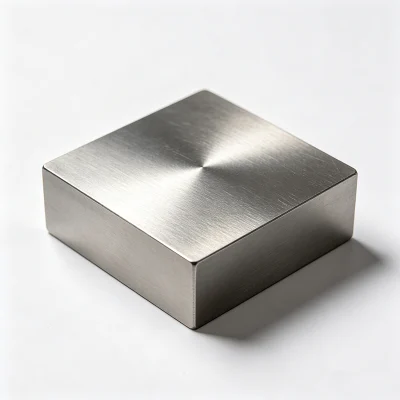
Titanium (chemical symbol Ti, atomic number 22) is a lightweight, high-strength transition metal with silver-gray metallic luster.
- Low density: about 60% the weight of steel, lighter than stainless steel and aluminum alloys while far stronger.
- Outstanding specific strength: high strength-to-weight ratio, lighter yet tougher than many structural metals.
- Extreme corrosion resistance: naturally forms a thin, dense inert titanium oxide film on its surface when exposed to air or liquid, resisting acids, salt water, seawater and humid environments without rusting.
- Biocompatible: non-toxic, non-reactive with human body tissues, no rejection risk.
- Heat resistance: maintains stable mechanical performance under high temperatures; high melting point.
- Drawbacks: High raw material cost; difficult cutting & machining; special surface treatments required.
Common Surface Finishes for Titanium
- Electropolishing: Mirror smooth, stress-free, ultra-clean surface for medical and vacuum parts.
- Anodizing: Produces stable colorful interference layers without dye, improves wear & corrosion resistance.
- Sandblasting: Matte uniform texture for decorative and anti-glare use.
Main Applications
- Medical industry: Implants, bone screws, surgical instruments, dental brackets (safe for human body)
- Aerospace: Aircraft frames, engine parts, rocket components (lightweight + high strength)
- Marine & offshore: Seawater pipelines, underwater equipment (excellent salt corrosion resistance)
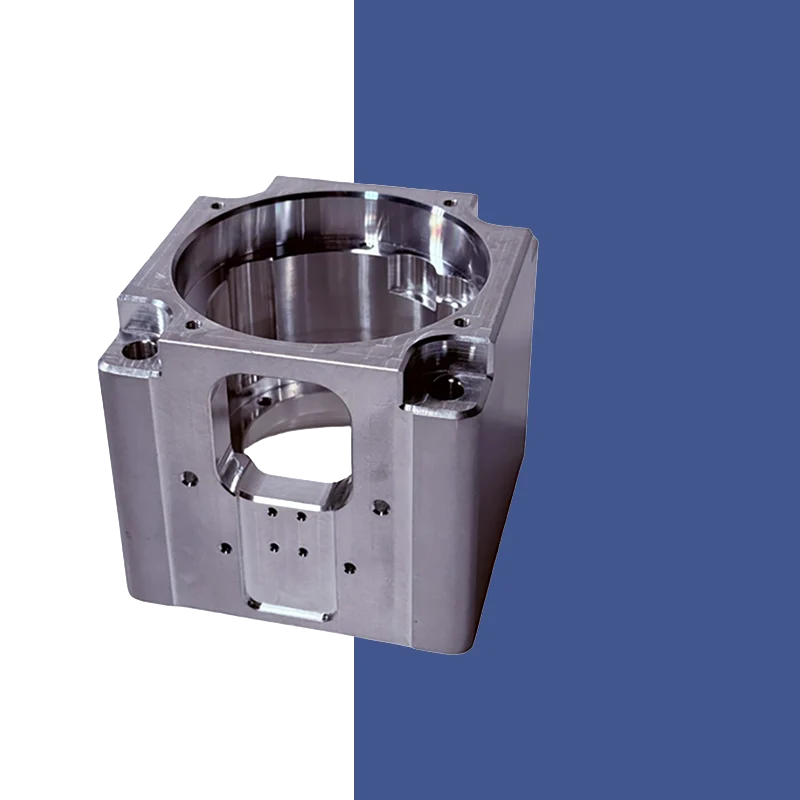
- Precision machinery: Sports equipment, watch cases, camera frames, CNC hardware
- Chemical equipment: Reaction vessels, acid-resistant pipes
Material parameters
| Parameter Name | Parameter value |
| Price | $$$$$ |
| Delivery time | 10days |
| Wall thickness | 0.75MM |
| tolerance | ±0.005 inch(±0.125mm) |
| Maximum part size | 200 x 80 x 100 cm |
| Available Titanium Grades: | Titanium Alloy TA1, Alloy TA2, Alloy TC4/Ti-6Al 4V |