
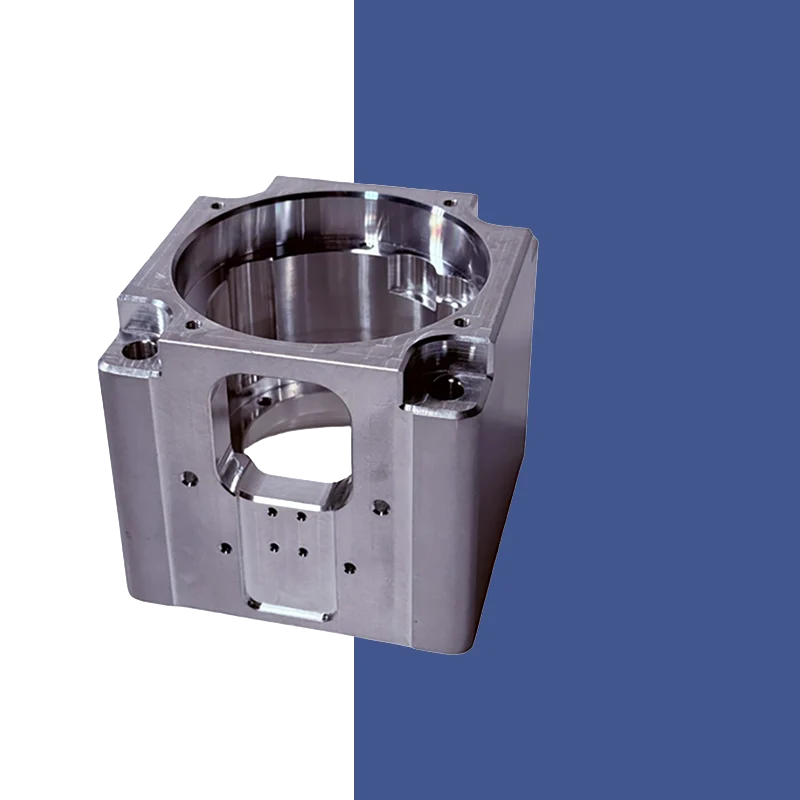
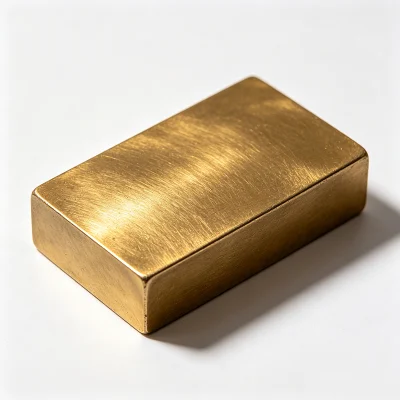
Definition
Bronze is an alloy mainly composed of copper and tin, sometimes mixed with aluminum, silicon, manganese, lead or phosphorus to form different bronze series. It is one of the earliest man-made metal alloys in human history.
Main Features
- Excellent wear resistance and self-lubricating property, far better than steel or brass under friction.
- High corrosion resistance against seawater, salt mist and most weak acids.
- Good castability, easy to cast into complex bushings, gears and decorative parts.
- Low magnetic permeability, non-magnetic material.
- High thermal and electrical conductivity.
- Good ductility, can be machined, stamped and polished smoothly.
Common Bronze Grades & Classifications
- Tin Bronze Classic Cu-Sn alloy, widely used for bearings, bushings, pump parts, valves, marine hardware.
- Aluminum Bronze High strength, superior seawater corrosion resistance, applied to marine propellers, ship fittings.
- Silicon Bronze Great weldability and anti-rust performance, for pipelines, structural fasteners.
- Phosphor Bronze High elasticity and fatigue resistance, ideal for springs, electrical connectors, precision shims.
- Lead Bronze Superior lubricity, used for heavy-load bearing sleeves.
Typical Surface Treatments
Polishing, passivation, oil impregnation for bearing parts, plating.
Main Industrial Applications
- Mechanical industry: bearing sleeves, worm gears, sliding bushings, wear-resistant liners
- Marine field: seawater valves, ship fittings, underwater structural components
- Electronics: conductive springs, terminals, elastic connectors
- Art & construction: statues, decorative architectural ornaments
- Hydraulic & pump equipment: impellers, valve bodies
| Parameter Name | Parameter value |
| Price | $$$ |
| Delivery time | 5days |
| Wall thickness | 0.5MM |
| tolerance | ±0.005 inch(±0.125mm) |
| Maximum part size | 200 x 80 x 100 cm |
| Available Bronze Grades: | Tin Bronze |