
1. Basic Introduction
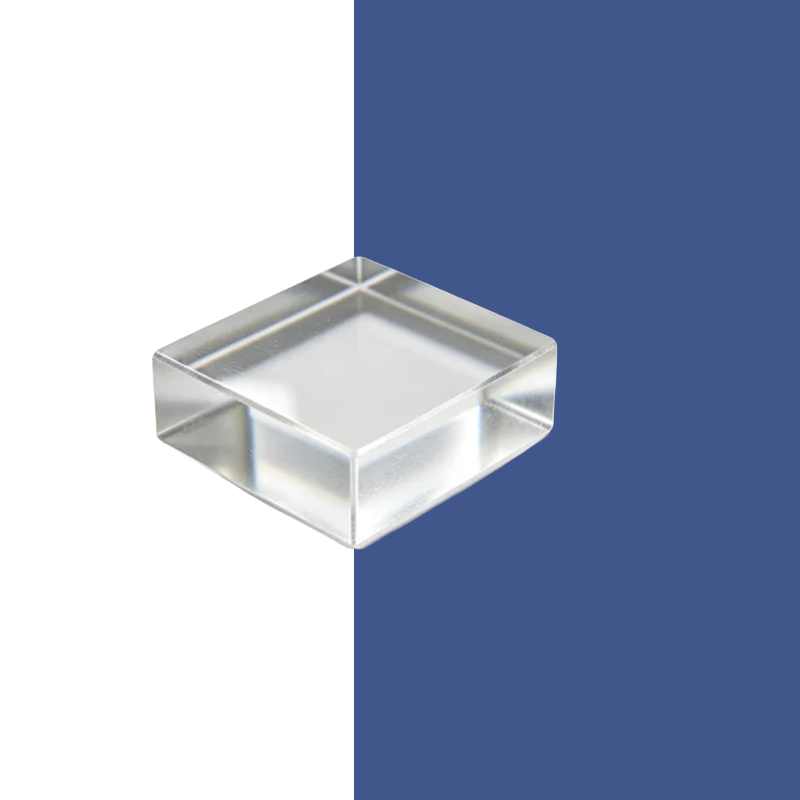
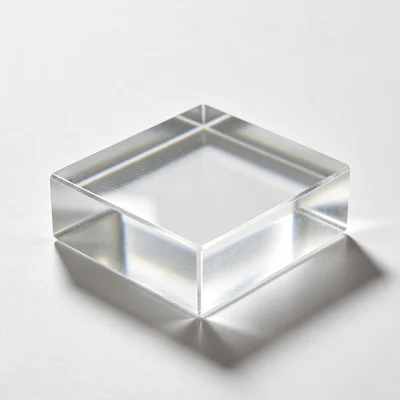
Acrylic, chemically called PMMA (Polymethyl Methacrylate), is a transparent amorphous thermoplastic. It is also known as organic glass, originally developed by Rohm & Haas. As a high-transparency substitute for glass, it has two main processing forms: extruded acrylic sheet and cast acrylic sheet.
2. Core Advantages
- Outstanding light transmittance Light transmission rate reaches over 92%, clearer than ordinary glass. It transmits UV light selectively and can be customized with UV-blocking formulas.
- High impact resistance Impact strength is 10–20 times higher than soda-lime glass, not easy to shatter into sharp fragments when broken, safer for display and construction.
- Lightweight property Density is only half of glass, easy to cut, transport and install, reducing load for brackets and frames.
- Weather & aging resistance Cast acrylic maintains transparency and gloss outdoors for decades without yellowing or cracking, ideal for outdoor signage.
- Easy machining & molding Can be sawed, laser cut, polished, thermoformed, bonded and printed. It can be made into complex curved shapes by heating.
- Smooth and elegant appearance Glossy surface, rich color options including clear, frosted, tinted and fluorescent colors.
3. Disadvantages
- Low surface hardness, prone to scratches; special polishing is required to repair marks.
- Poor heat resistance: continuous service temperature only around 80°C, will soften and deform at high heat.
- Brittle under extreme low temperature; easy to crack under strong impact without modification.
- Weak resistance to organic solvents like acetone, alcohol and paint thinner, which will erode its surface.
4. Main Applications
Advertising & Signage
Lightbox panels, outdoor billboards, letter signs, display stands, exhibition decorations.
Construction & Decoration
Transparent partition walls, shower panels, window substitutes, decorative craft ornaments.
Optical & Lighting
Lampshades, light diffuser plates, optical lenses, aquarium tanks.
Consumer & Daily Goods
Cosmetic display racks, photo frames, transparent storage boxes, craft gifts.
Medical & Instrument
Medical observation covers, instrument protective windows, dental temporary materials.
5. Basic Physical Parameters
- Density: 1.19 g/cm³
- Light transmittance: 92%
- Continuous working temperature: -40°C ~ 80°C
- 24h water absorption: 0.3%
PMMA (Acrylic) Material Parameter Table
| Parameter Name | Reference Specifications |
|---|---|
| Price | Cost depends on PMMA grade, part volume, machining complexity and order quantity; transparent grades have different pricing from colored ones |
| Lead Time | Prototypes: 3–5 working days; Mass production: 7–12 working days |
| Wall Thickness | Minimum 1.0 mm; optimal range 1.5–6 mm; Too thin walls crack easily during cutting; thick sections need stress relief to avoid crazing |
| Dimensional Tolerance | Standard tolerance ±0.08 mm; Precision tolerance ±0.03–0.05 mm with additional cost, in accordance with ISO 2768-m |
| Maximum Part Size | CNC solid sheet/block/rod processing: 1200 × 1000 × 300 mm |
| Available PMMA Grades | 1. Clear virgin PMMA: high light transmittance, transparent optical grade2. Impact-modified PMMA: enhanced anti-cracking performance3. Heat-resistant PMMA: higher continuous service temperature4. Color PMMA: black, white, blue, red and custom tinted acrylic5. Anti-UV outdoor PMMA: resistant to yellowing under sunlight |