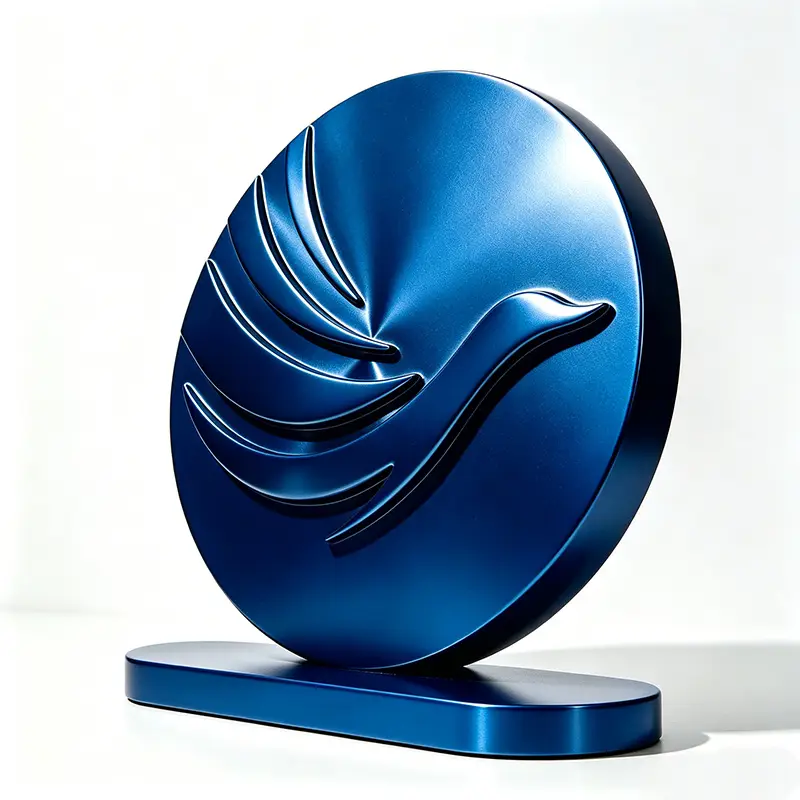
Definition
Anodizing is an electrochemical surface finishing process exclusively for aluminum and its alloys. By placing aluminum workpieces as the anode in an electrolyte solution with applied direct current, a hard, dense, self-adherent aluminum oxide film grows on the metal surface. This protective oxide layer cannot peel off like paint or powder coating.
Core Working Principle
When electric current passes through the electrolyte, oxygen ions combine with aluminum atoms on the part’s surface to form aluminum oxide (Al₂O₃). The generated oxide film has two layers: a porous outer layer for dye absorption and a compact inner barrier layer for corrosion resistance. After anodization, sealing treatment closes the micropores to lock in color and boost protection.
Main Anodizing Types
Type I: Chromic Acid Anodizing
Thin, ultra-light oxide film. Primarily used for aerospace precision parts, rarely for decorative appearance due to dull gray tone.
Type II: Sulfuric Acid Decorative Anodizing
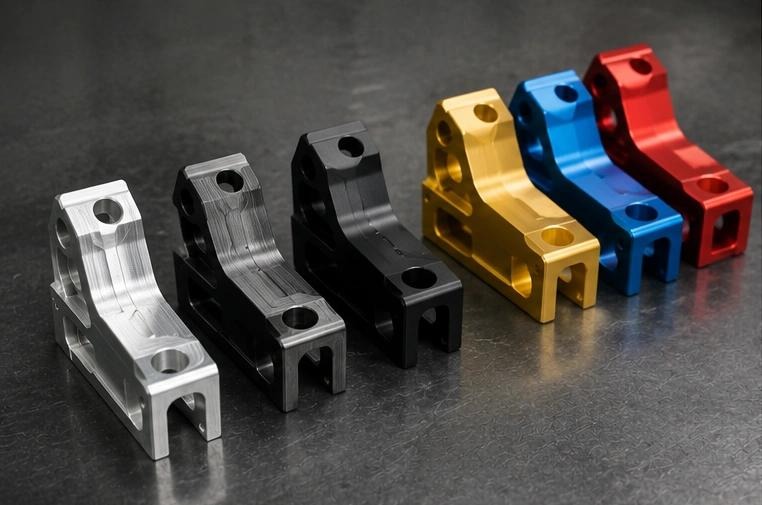
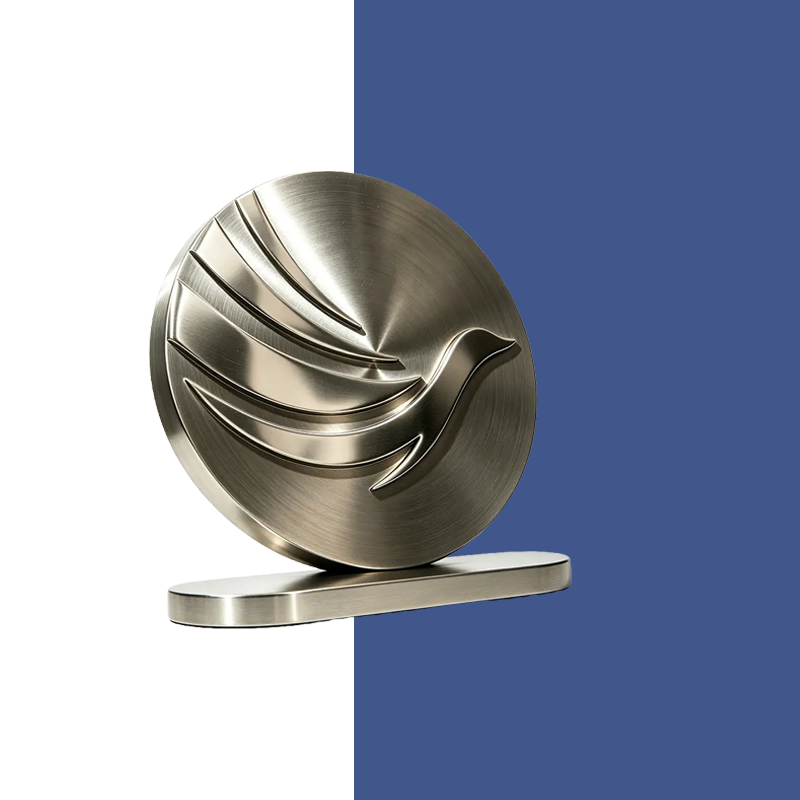
The most widely used standard anodizing. Medium film thickness (8–25μm), supports full color dyeing (black, silver, gold, blue, red, custom tones). Ideal for consumer electronics, logo plaques, hardware and decorative prototypes.
Type III: Hardcoat / Hard Anodizing
Extra thick, ultra-hard oxide layer (25–100μm). Outstanding wear, abrasion and corrosion resistance. Applied to mechanical moving parts, molds, automotive components and industrial equipment.
Standard Production Workflow
CNC Machining / Die Casting → Pre-treatment (Grinding / Sandblasting / Brushing / Polishing) → Degreasing & Etching → Sulfuric Acid Anodizing → Dyeing (optional) → Sealing → Finished Parts
Key Advantages
- Exceptional Corrosion Resistance The continuous aluminum oxide film isolates the substrate from air and moisture, far superior to bare aluminum.
- Superior Hardness & Wear Resistance Hard anodized surfaces outperform most painted or powder-coated finishes, resisting scratches and abrasion in long-term use.
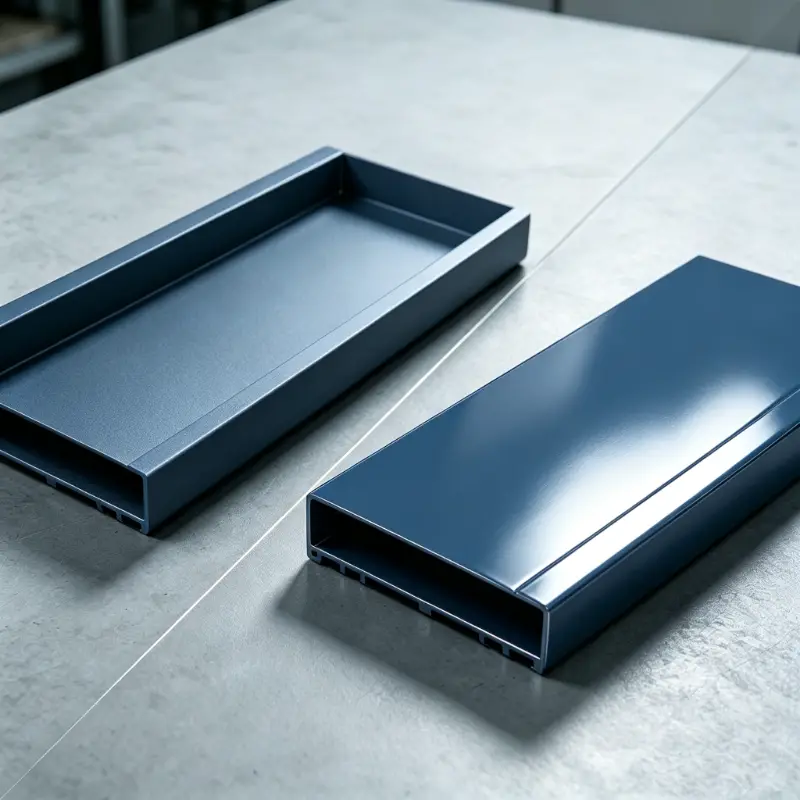
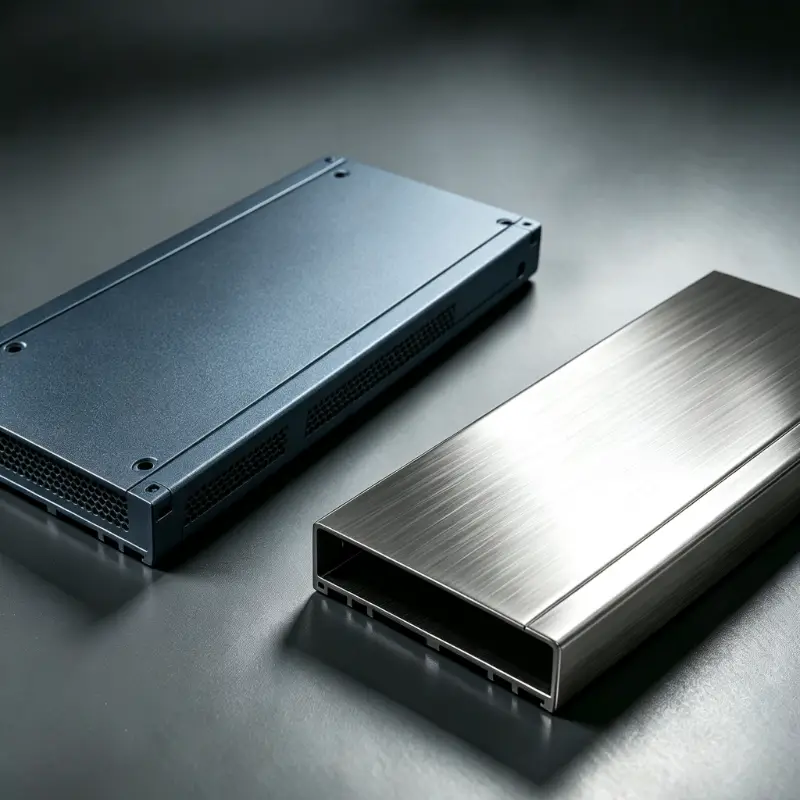
- Rich Customizable Decorative Effects Compatible with pre-finishes including brushing, mirror polishing and sandblasting; can be dyed into various solid colors for premium metallic aesthetic.
- Non-Peeling, Eco-Friendly Finish The oxide layer chemically bonds with the base aluminum, never chips or delaminates. No toxic solvent emissions during processing.
- Electrical Insulation The dense oxide film blocks electric conduction, suitable for electronic component housings.
Applicable Materials
Only aluminum, aluminum alloy and die-cast aluminum parts. Not compatible with steel, stainless steel, copper or plastics.
Limitations
- Exclusive to aluminum materials; cannot be applied to other metals or plastics.
- Hard anodizing slightly increases part dimensions, requiring tolerance adjustment during machining.
- Color options are limited compared to liquid painting and powder coating; metallic pearlescent textures are harder to achieve.