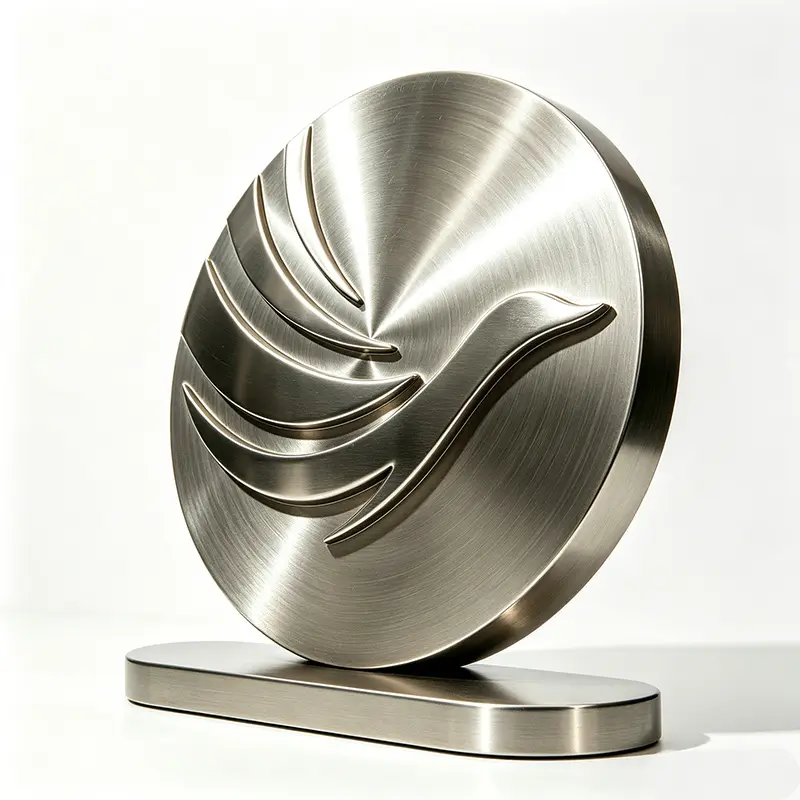
Definition
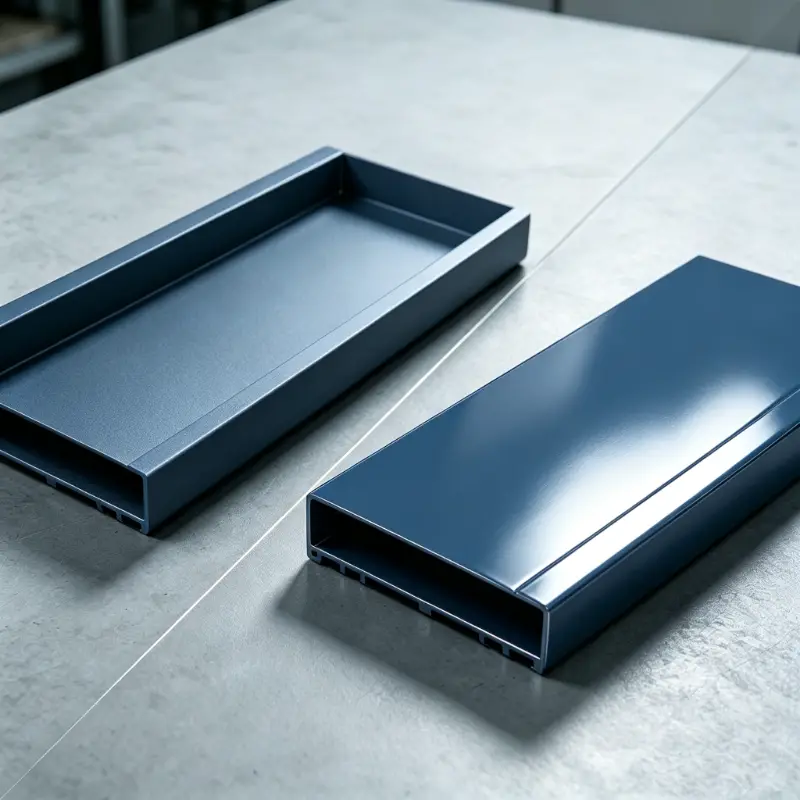
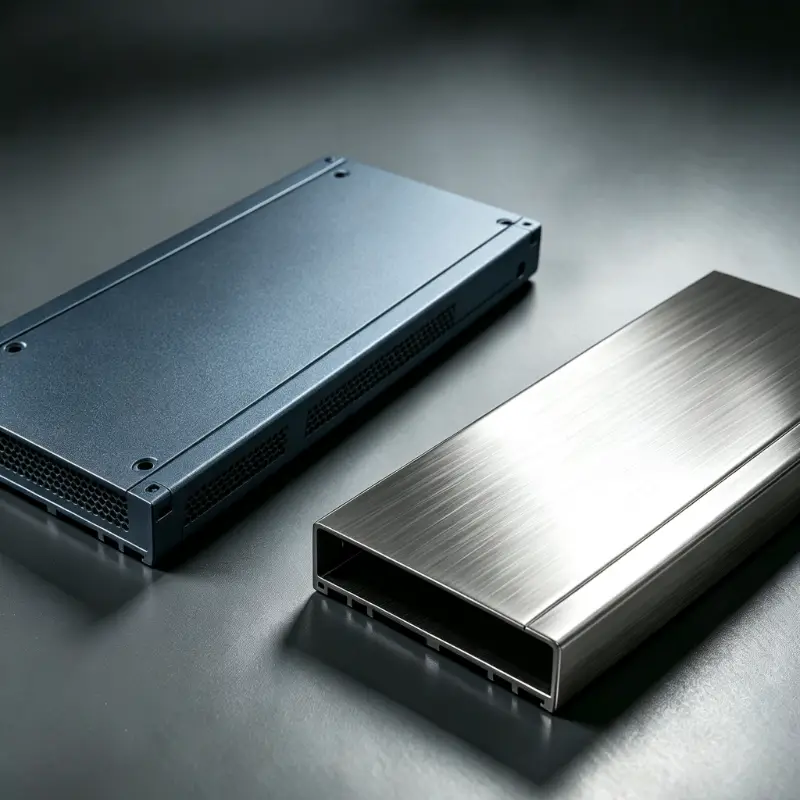
General grinding, also called ordinary sanding or rough grinding, is a basic mechanical surface finishing process that uses abrasive sandpaper, grinding belts and grinding wheels to grind off excess material, burrs, deep tool marks, pits and oxidation layers on raw workpieces. It is the preliminary processing step before fine polishing, sandblasting, coating or anodizing.
Working Principle
Different grit abrasive tools (from coarse grit #80 / #120 to medium #240 / #400) rotate or rub against the workpiece surface. The abrasive grains cut away uneven surface layers to level the base, without pursuing high gloss or mirror effect.
Two Main Types
- Dry Grinding Direct grinding with sandpaper/belts without liquid coolant, simple operation for most metal, composite and plastic parts.
- Wet Grinding Grind with water or grinding fluid to reduce dust, avoid overheating and get finer uniform base surface.
Core Purposes
- Remove sharp burrs, flashes and rough edges after CNC machining, casting or stamping
- Eliminate deep machining lines, casting pores, rust and oxide skin
- Level uneven surfaces to prepare a clean base for follow-up surface treatments
- Achieve simple uniform matte rough surface for low-demand decorative parts
Material Compatibility
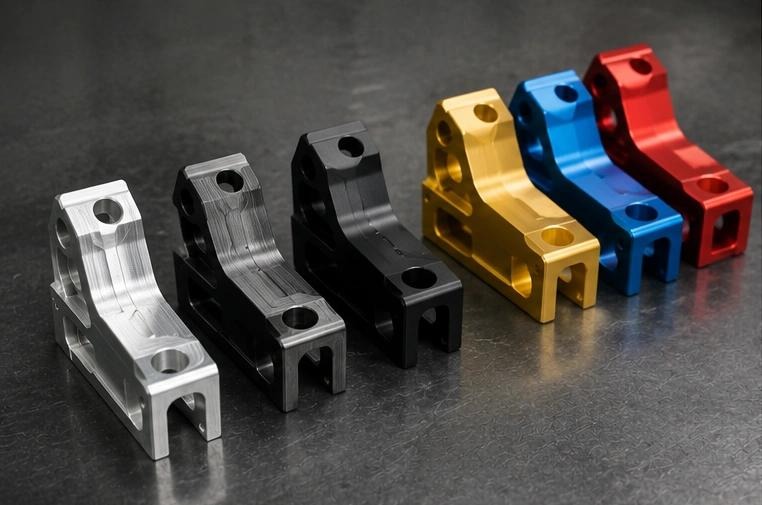
Aluminum alloy, steel, stainless steel, copper, zinc die castings, carbon fiber composites, hard engineering plastics.
Standard Process Flow
Raw machined part → Coarse general grinding (#80–#180 grit) → Medium general grinding (#240–#400 grit) → Next process (polishing / sandblasting / powder coating / anodizing)
Advantages & Limitations
Advantages
- Low cost and high processing efficiency for mass workpieces
- Effectively remove heavy surface defects that fine polishing cannot handle quickly
- Simple equipment, suitable for complex curved and irregular parts
Limitations
- Will leave uniform fine grinding lines on the surface, low gloss
- Cannot reach mirror or ultra-smooth satin finish; fine polishing is required for high-reflection appearance
- Excessive coarse grinding may change workpiece dimensional tolerance