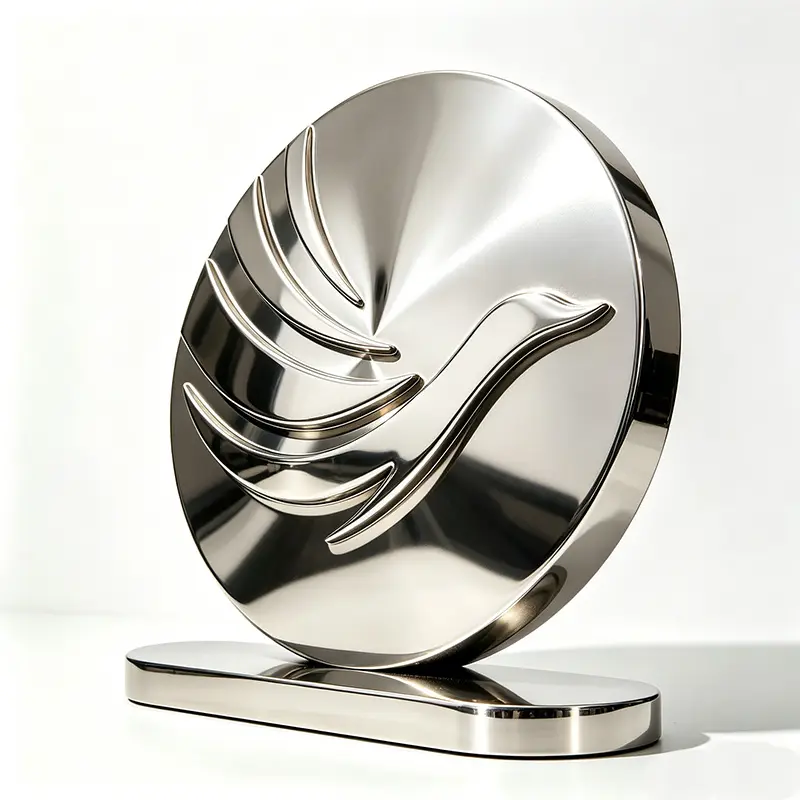
Definition
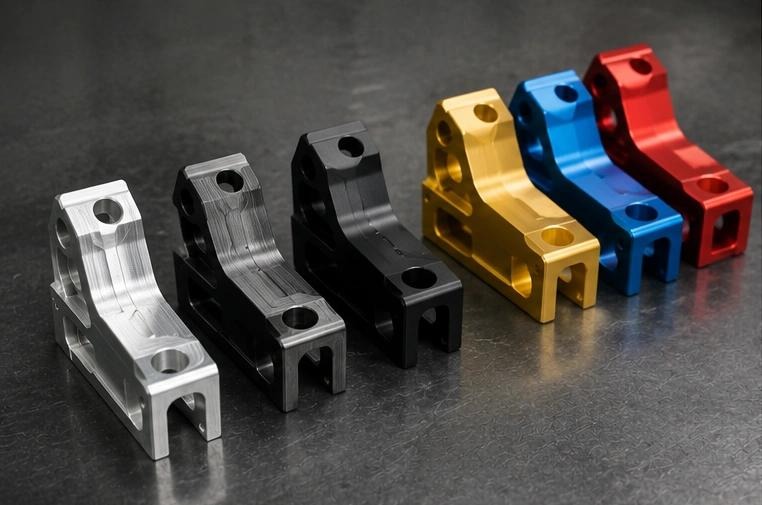
Polishing is a precision mechanical surface finishing process. It eliminates surface imperfections, machining lines, scratches and uneven textures via abrasive grinding and buffing, producing smooth, satin or highly reflective metallic surfaces.
This process is widely applied to aluminum, stainless steel, brass, copper, titanium alloys and rigid composite parts. It can also be paired with follow-up treatments including anodizing, powder coating and electroplating.
Main Types & Working Principles
Mechanical Polishing
Workpieces are processed step by step using progressively finer abrasives, grinding wheels and buffing compounds.
- Coarse grinding: Remove burrs, deep machining marks and surface pits
- Medium grinding: Erase rough scratches left by coarse abrasives
- Fine buffing: Generate soft satin texture or flawless mirror finish
Electrolytic Polishing (Electro-Polishing)
An electrochemical finishing method. Parts serve as anodes in specialized electrolyte under controlled electric current. Micro protrusions on the metal surface dissolve preferentially, delivering ultra-bright mirror gloss and better corrosion resistance. It is the top choice for stainless steel products.
Chemical Polishing
Parts are soaked in polishing solution to level tiny surface irregularities without electricity supply. It is cost-efficient for mass small-sized components, though its gloss level is inferior to electro-polishing.
Common Surface Finishes
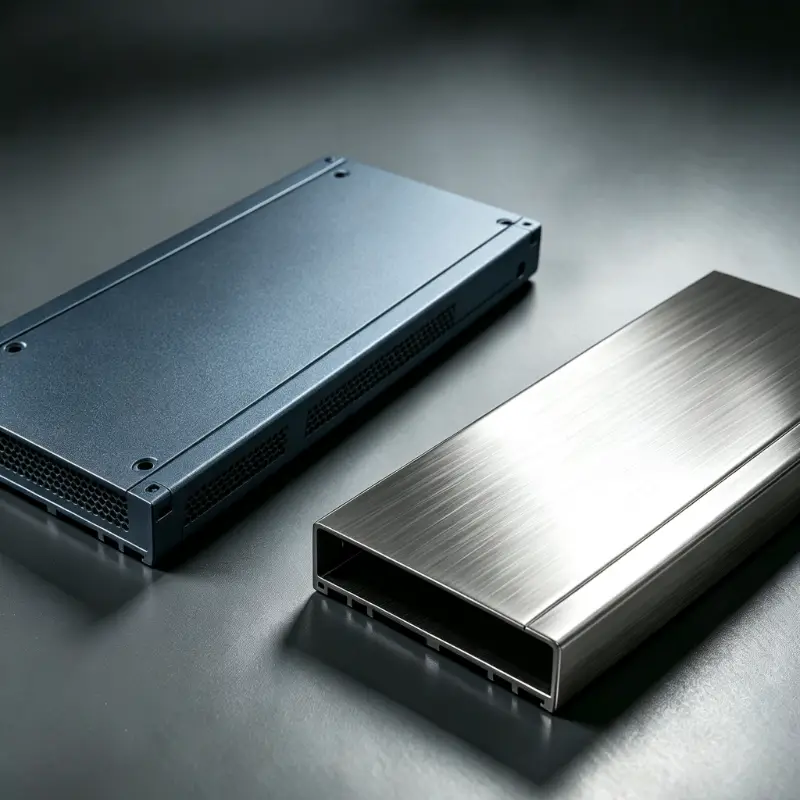
- Satin / Brushed Polishing Uniform fine linear texture with low reflectivity and fingerprint resistance, frequently used for electronic enclosures.
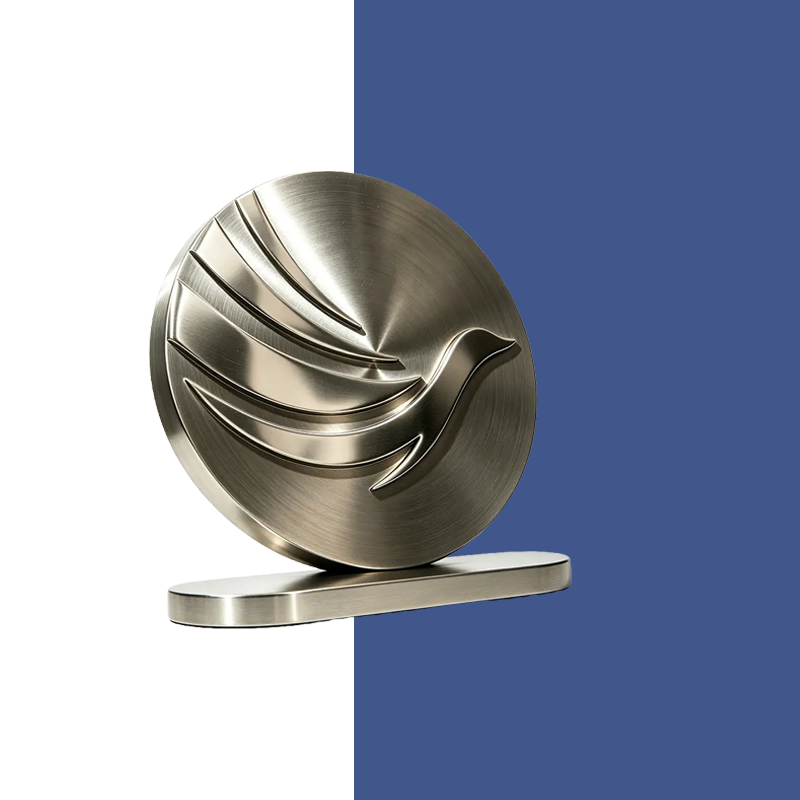
- Mirror Polishing Ultra-high reflectivity with clear mirror-like effect, ideal for premium metal logos, decorative hardware and sanitary fittings.
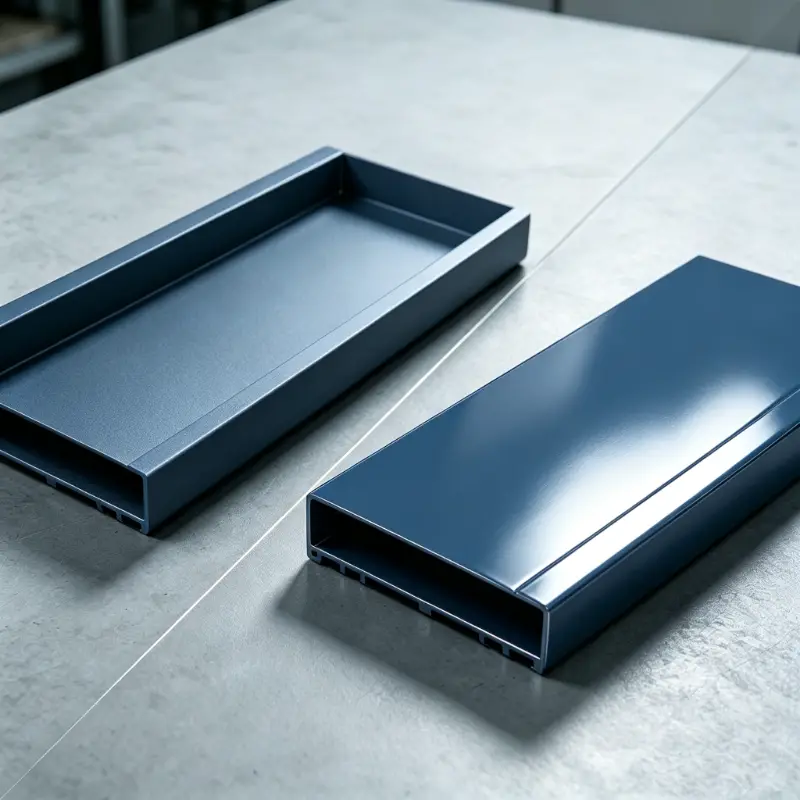
- Fine Matte Polishing Smooth non-gloss surface free of visible scratches, delivering an understated high-end appearance.
Core Advantages
- Removes surface defects such as machining streaks, oxidation stains and micro burrs
- Elevates visual appeal with clean, premium metallic texture
- Enhances corrosion resistance: smooth surfaces accumulate less contaminants; electro-polishing forms a dense passive protective film
- Reduces friction coefficient, lowering abrasion for moving mechanical components
- Optimizes bonding performance for subsequent anodizing, coating and electroplating
Compatible Materials
- Metals: Stainless steel, aluminum alloy, brass, copper, zinc alloy, titanium
- Hard composites, high-temperature resistant rigid engineering plastics
Standard Production Workflows
- CNC Machining / Die Casting → Coarse Polishing → Fine Polishing
- Polishing + Sandblasting: Mixed satin decorative texture
- Polishing → Anodizing / Clear Powder Coating: Prevent bright metal surfaces from oxidation
- Stainless Steel Workpieces → Electro-Polishing